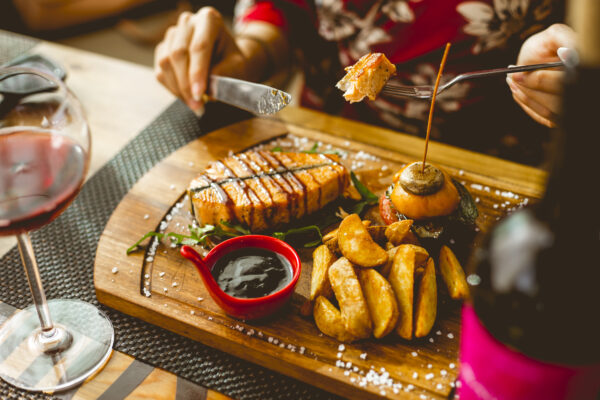
What to drink with steak depends on the cut, seasoning, sauce, and the way you want the meal to feel. A structured red wine is a familiar choice, but crisp beer, a balanced cocktail, sparkling water, iced tea, and other alcohol-free options can work just as well. The useful rule is simple: choose a drink that refreshes your palate without covering the flavor of the food.
This guide gives you a practical way to compare drinks to pair with steak. It is designed for real dinner decisions, whether you already know what you like or want a comfortable starting point before dining at The Tartan of Redlands.
How to Choose What to Drink With Steak
Start with the whole plate rather than the steak alone. A lean cut with light seasoning creates a different pairing question from a richly marbled cut served with a savory sauce. Sides, spice, salt, sweetness, and char can all change which sip feels most refreshing.
You do not need technical tasting knowledge to make a good choice. Think about three qualities: intensity, freshness, and sweetness. A fuller-flavored plate can stand beside a more expressive drink, while a lighter preparation often feels clearer with a brighter, less heavy option.
- For a rich or charred preparation, consider a drink with enough flavor and freshness to remain noticeable.
- For pepper, spice, or a bold sauce, avoid a drink whose alcohol or bitterness makes the heat feel sharper.
- For a simple preparation, choose a drink that supports the savory flavor instead of competing with it.
- For a long social meal, remember pace, portion, and hydration as well as flavor.
Personal taste still matters most. If you prefer a familiar beverage, use the pairing principles as a guide rather than a rulebook. A comfortable choice that fits the occasion is more useful than a theoretically precise pairing you do not enjoy.
Red Wine With Steak: A Practical Starting Point
Red wine with steak is popular because many red wines combine savory-friendly flavors with enough acidity and structure to stay present beside a rich entrée. Cabernet Sauvignon, Malbec, Syrah, and Merlot are common starting points, but the label alone does not guarantee a match. Style, age, region, and the rest of the plate also matter.
Cabernet Sauvignon often has a firm, full profile that can suit a richly flavored or charred steak. Malbec may offer ripe fruit and a rounder impression. Syrah can bring peppery or smoky notes, while Merlot is often considered when a softer texture is preferred.
If you are deciding on red wine with ribeye, look for a wine with enough freshness and structure to balance the cut’s richness. If your steak is leaner or simply seasoned, a medium-bodied red may feel more proportionate. These are directions, not guarantees, because producers and vintages vary.
Can white wine work with steak?
Yes. A fuller-bodied white can be a thoughtful option, especially when the preparation includes herbs, butter, mushrooms, or lighter sides. Chardonnay is a familiar example, although its texture and oak influence can range widely.
Rosé and sparkling wine can also be useful when the table is sharing several dishes. Their freshness can bridge different flavors, and they may suit guests who do not want a traditional red. The best selection is the one that works across the actual meal and the preferences at the table.
Beer With Steak
Beer gives you a different set of pairing tools: carbonation, malt, roast, hops, and serving temperature. Carbonation can make each bite feel renewed, while malt can echo browned or toasted flavors. The goal is balance, since an extremely bitter beer can dominate a delicate preparation.
A brown ale or amber lager may complement a savory, grilled profile without feeling too heavy. A stout or porter can echo deep roasted notes, but it is usually better suited to a robust plate than a subtle one. A crisp lager can provide a cleaner contrast when you want refreshment more than flavor matching.
India pale ale can work for guests who enjoy pronounced hop character, particularly with assertive seasoning. If the plate is spicy, however, high bitterness and alcohol may make the heat feel stronger. In that situation, a balanced pale ale or lager may be the easier choice.
Cocktails and Spirits With a Steak Dinner
A cocktail can connect the opening of the evening with the meal, but it helps to consider sweetness and strength. A spirit-forward drink may suit a slow dinner, while a citrus-led or sparkling cocktail can provide contrast. Drinks with heavy sweetness can make savory food seem less clear, so balance is especially important.
Whiskey-based classics are often selected with steak because oak, spice, and caramel-like notes can sit beside browned flavors. A martini offers a drier, cleaner direction. A citrus-forward drink may feel brighter with a rich plate, particularly when the recipe keeps sweetness controlled.
If you plan to enjoy alcohol, make the choice that fits your limits and arrange transportation as needed. The National Institute on Alcohol Abuse and Alcoholism provides information about alcohol and health for readers who want evidence-based guidance.
Non Alcoholic Drinks With Steak
Non alcoholic drinks with steak do not need to be an afterthought. The same pairing ideas still apply: acidity can add brightness, carbonation can refresh the palate, and roasted or herbal flavors can complement a savory meal. The key is to avoid an option so sweet that it overwhelms the food.
Sparkling water with citrus is a clean, flexible choice. Unsweetened iced tea brings mild bitterness and tannin-like grip without alcohol. Ginger-forward beverages can add spice and lift, while a carefully balanced zero-proof cocktail can contribute aroma and acidity.
Coffee may suit the end of the meal rather than the main course, particularly when dessert is part of the plan. Plain water remains valuable throughout dinner because it resets the palate between different foods and beverages. A good host should make alcohol-free choices feel as considered and visible as every other option.
Match the Drink to the Cut and Preparation
When someone asks what drink goes with steak, the cut is only the first clue. Preparation often tells you more. Char, pepper, butter, herbs, and sauces can shift the balance, so use the examples below as a decision framework.
Richer cuts
A richly marbled cut can support a fuller red wine, roasted beer style, or structured alcohol-free drink. Freshness matters because the beverage should keep the next bite appealing. If the plate includes a rich sauce, consider that intensity too.
Leaner cuts
A leaner steak can work with medium-bodied reds, fuller whites, crisp lagers, or tea-based zero-proof options. Avoid assuming that every steak needs the biggest beverage available. A more restrained pairing can preserve the detail of a simpler preparation.
Pepper, spice, and assertive sauces
Pepper and spice may favor fruit-forward or refreshing drinks over highly alcoholic or bitter choices. For a sweet or tangy sauce, pick a beverage that will not seem thin beside it. When in doubt, ask which element is strongest on the plate and choose a drink that can meet it without doubling the intensity.
Shared starters and sides
If the table begins with shared plates or orders several sides, choose for flexibility. Sparkling wine, rosé, lager, and sparkling alcohol-free drinks can move between different flavors more easily than a very specialized pairing. You can also start with one drink and make a new choice when the entrée arrives.
How to Order Without Overthinking the Pairing
First, decide whether you want harmony or contrast. Harmony means echoing the meal’s flavors, such as choosing roasted notes beside char. Contrast means adding a different quality, such as acidity or bubbles beside richness. Both approaches can work.
Next, tell your server what you usually enjoy and what you plan to order. A preference such as dry, fruit-forward, light, bitter, or alcohol-free is more helpful than trying to use expert vocabulary. Mention any ingredient or sweetness level you want to avoid.
Finally, consider the entire occasion. A business dinner, date night, family gathering, and casual lunch may call for different pacing. If several guests have different preferences, choosing by the glass or ordering separate alcohol-free options can keep the table comfortable.
Plan Your Steak Dinner at The Tartan
The Tartan is a modern American steakhouse in downtown Redlands with a full bar offering craft cocktails, wine, and local brews. Before your visit, review the current Tartan menus so your pairing idea reflects the food and beverage choices available now.
For more help choosing the meal itself, read our guide to planning a steak dinner in Redlands. If you are organizing a larger occasion, explore private events at The Tartan and confirm the details that matter to your group.
When your date and guest count are set, you can reserve a table at The Tartan. Asking about current selections at the restaurant is the most reliable way to turn these general pairing principles into a specific order.
Frequently Asked Questions About Drinks to Pair With Steak
What is the best drink to have with steak?
There is no single best drink for every steak. Choose according to the cut, seasoning, sauce, and your preferences. Structured red wine is traditional, but beer, cocktails, sparkling water, iced tea, and balanced zero-proof drinks can all work.
What red wine goes well with steak?
Cabernet Sauvignon, Malbec, Syrah, and Merlot are common starting points. A richer preparation can suit a fuller, more structured wine, while a leaner or lightly seasoned steak may feel balanced with a medium-bodied style.
Can you drink white wine with steak?
Yes. Fuller-bodied white wines can complement preparations that include butter, herbs, mushrooms, or lighter sides. Sparkling wine and rosé can also provide freshness when the table is sharing several dishes.
What beer pairs with steak?
Amber lager, brown ale, stout, porter, and crisp lager are useful styles to consider. Match the beer’s intensity to the plate, and be cautious with extreme bitterness when the steak or sauce is delicate or spicy.
What nonalcoholic drink goes well with steak?
Sparkling water with citrus, unsweetened iced tea, ginger-forward drinks, and balanced zero-proof cocktails can complement steak. Look for freshness, moderate sweetness, and enough flavor to remain present beside the meal.
Should I choose the drink before ordering the steak?
Usually it is easier to choose the food first, then consider the cut, preparation, sauce, and sides. If you already know which drink you want, ask for a meal recommendation that will sit comfortably beside it.
Choose a Pairing That Fits Your Table
The most useful answer to what to drink with steak is not a rigid label. It is a process: consider richness and preparation, decide whether you want harmony or contrast, and choose a beverage you will enjoy at the pace of your meal.
Wine, beer, cocktails, spirits, and nonalcoholic choices can each have a place at the table. Review current offerings, ask a clear question, and let the pairing support the conversation rather than become a test you have to pass.