Tartan Steak Choice: Peppercorn vs. Ribeye Strip New York
The Carnivore’s Dilemma — Settled, Once and For All
Some decisions in life carry genuine weight. Choosing your steak at Tartan is one of them. Not because the stakes are dramatic — no one loses sleep over a wrong dinner order — but because both options on Tartan’s menu are genuinely exceptional, and exceptional options deserve thoughtful consideration. The Ribeye and the Peppercorn New York Strip represent two entirely different philosophies about what beef can and should be. Walking in without understanding that difference is like choosing a travel destination by throwing a dart at a map. You might land somewhere wonderful. But you might also spend the evening wishing you had gone the other direction.
This guide removes the guesswork.
The Lay of the Land: What Tartan Is Actually Doing
Before dissecting the individual cuts, it helps to understand what Tartan brings to both of them. This is not a kitchen that hides behind elaborate preparations or drowns beef in reduction towers and foam. The cooking philosophy here is one of honest amplification — take a well-sourced cut, respect its natural character, and apply heat with precision and confidence.
That approach means the differences between the Ribeye and the Peppercorn Strip arrive at your table unfiltered. What you taste is the cut itself, its texture, its fat content, its muscle fiber density — everything the animal and the aging process built into it. The kitchen’s job is to honor that. And at Tartan, they do.
With that established, let’s talk about the beef.
The Ribeye: When Fat Is the Point
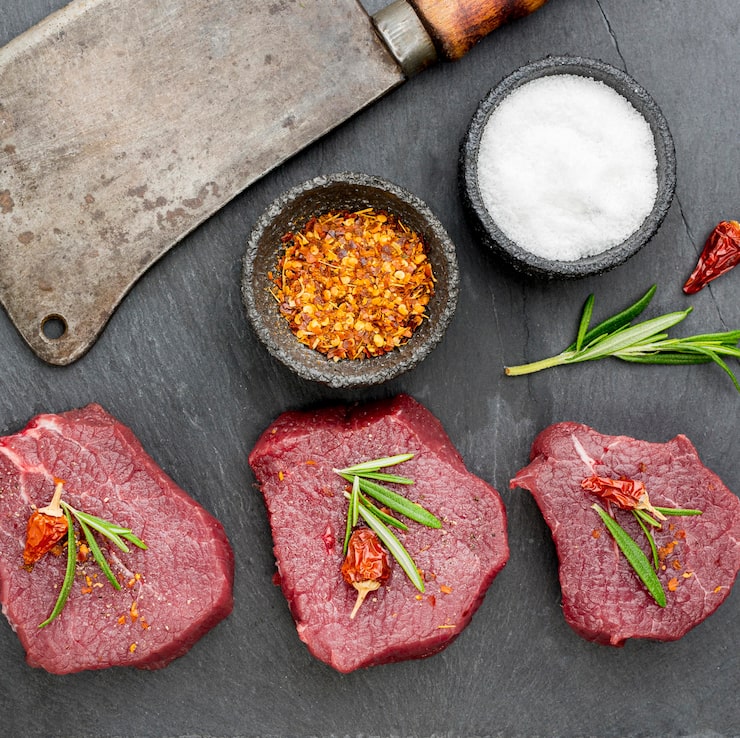
Cut from the rib section — specifically from ribs six through twelve — the ribeye occupies real estate on the cow that is almost criminally relaxed. The muscles in this region do almost no work during the animal’s life, which means they develop very little of the tough connective tissue that makes other cuts chewy and difficult. What they develop instead is fat — intramuscular fat, threaded through the muscle in fine white veins that give a well-marbled ribeye its unmistakable appearance and, more importantly, its flavor.
That fat is everything. When heat hits it, it begins to render — slowly liquefying and basting the surrounding muscle from the inside out. The result is a steak that essentially self-sauces as it cooks, producing a richness on the palate that no external sauce or finishing butter can fully manufacture from a leaner cut. You taste it in the first bite and feel it in the way the meat lingers. Ribeye is, in the plainest possible terms, deeply satisfying.
At Tartan, the ribeye arrives with a hard sear on both sides — the kind that produces a dark, slightly crackling crust that gives way to rosy, yielding interior. Seasoning is confident but restrained. The kitchen understands that anything more would be competition, not complement.
The texture story: Because of its high fat content, the ribeye has a softer, more yielding chew than the Strip. It is not fall-apart tender in the way a braise would be, but it offers no resistance. Some diners love this. Others find it almost too easy — steak, for them, should require a little engagement. Know which camp you fall into.
The temperature story: Ribeye is among the most temperature-forgiving steaks on any menu. Rare through medium, it remains rich and pleasurable, with the fat compensating for any loss of juiciness as the interior warms. If you tend to eat steak at medium or occasionally push toward medium-well, the ribeye will not punish you for it. Other cuts will.
Order the Ribeye if: You want the most unapologetically luxurious version of a steak dinner. If indulgence is the goal — and sometimes it absolutely should be — the ribeye is the correct answer.
The Peppercorn New York Strip: Discipline Meets Drama
The New York Strip comes from the short loin, immediately behind the rib section where the ribeye originates. It is a different kind of muscle entirely. Leaner, firmer, with a tighter grain and a more assertive, distinctly beefy flavor that arrives cleanly without the cushion of heavy marbling. Where the ribeye is lush, the Strip is direct. Where the ribeye envelops, the Strip confronts — in the best possible way.
Left alone, the New York Strip is a great steak. What Tartan does with it is make it a memorable one.
The peppercorn preparation begins with a thick crust of coarsely cracked black pepper pressed into the exterior of the meat before it ever touches the pan. This is not the mild seasoning of everyday cooking — it is a deliberate, aggressive application that forms a bark during the sear, producing pockets of intense heat and aromatic oil that perforate every bite. The pepper does not overwhelm the beef. It amplifies it, adding a dimension of spice and fragrance that the lean muscle alone would not produce.
Then comes the sauce. A cognac cream reduction — the foundation of the classic steak au poivre — arrives tableside or already draped across the plate, depending on the evening. The sauce is simultaneously rich and bright, with the cream rounding off the pepper’s sharper edges and the cognac lending a warmth that ties everything together. This is the structural element that makes the peppercorn Strip feel complete. The lean meat, the heat of the pepper, and the silkiness of the sauce form a triangle that each side depends on. Remove one element and the whole argument weakens.
The texture story: The Strip has a firmer, more satisfying chew than the ribeye. Each bite requires a little more from you, and in return it delivers a more pronounced sense of the meat itself — its grain, its density, its individual character. Diners who feel that a steak should resist slightly before yielding tend to find the Strip more engaging than the ribeye.
The temperature story: The peppercorn Strip is not a forgiving cut when it comes to temperature. At medium-rare — a warm, deeply pink center with yielding exterior — it is genuinely outstanding. At medium, it begins to tighten. Beyond medium, the lean muscle loses moisture rapidly and the experience degrades in a way the sauce cannot rescue. Order it medium-rare. This is one of those situations where the kitchen knows better, and following their lead will reward you.
Order the Peppercorn Strip if: You want a steak with a complete, composed identity — one that arrives dressed for the occasion and requires nothing further from you except the willingness to pay attention. It is the more complex of the two options, and complexity here is a feature, not a complication.
The Overlooked Factor: Your Appetite Before Arrival
Here is something most steak guides skip entirely: the steak you should order depends significantly on what happened before you sat down, and what you plan to do after you stand up.
If your evening began with rich appetizers — anything involving cream, cheese, or fried preparation — the ribeye may tip the meal into territory your body will quietly protest by the second course of dessert. In that scenario, the leaner profile of the peppercorn Strip gives your palate breathing room while still delivering an impressive, satisfying main course.
Conversely, if you arrived at Tartan from a long afternoon or skipped lunch entirely, the ribeye’s fat-fueled richness is exactly what a hungry body is asking for. It is filling in a way that feels earned, not excessive.
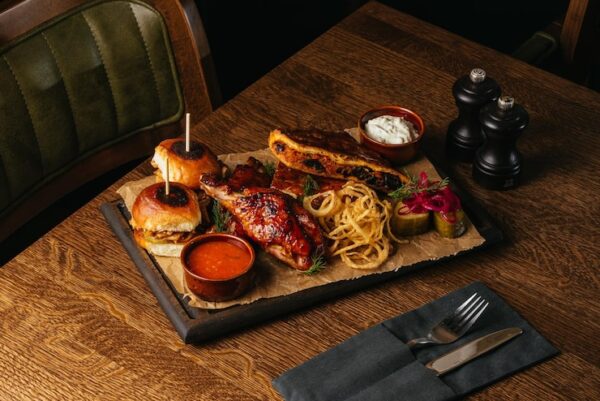
Consider also your dining companions. A bone-in ribeye on a shared wooden board in the center of the table is a social object — it generates conversation, encourages sharing, and gives the table a centerpiece. The peppercorn Strip, plated individually with its sauce composed around it, is a private pleasure. Both are valid dinner experiences. They are simply different ones.
What to Drink With Each
With the Ribeye:
The ribeye’s richness calls for a wine with the structural backbone to cut through fat without bullying the beef. A Napa Valley Cabernet Sauvignon — particularly one with good tannic structure and dark fruit — is the classic companion and earns that status for good reason. Alternatively, a northern Rhône Syrah brings a peppery, savory quality that complements the sear beautifully. If you lean toward whisky, a peated Scotch served neat alongside the ribeye is an unconventional but deeply satisfying pairing that very few people regret.
With the Peppercorn New York Strip:
The au poivre sauce changes the equation considerably. The cream softens tannins in unexpected ways, and the cognac in the reduction bridges meat and wine in a manner that calls for something with integrated tannins and forward fruit. A right-bank Bordeaux — Merlot-dominant, with plush texture — works exceptionally well. An aged Rioja, where time has done the work of softening, is another strong choice. If you prefer something from the New World, a Willamette Valley Pinot Noir with its characteristic earthiness and acidity can bring unexpected harmony to the pepper and cream.
First Visit vs. Return Visit: A Simple Rule
If you have never eaten at Tartan before, order the Ribeye.
It is the most unfiltered demonstration of what this kitchen does with beef. No sauce to interpret, no additional flavors to navigate — just sourcing, seasoning, and fire. The ribeye, done as Tartan does it, will tell you everything you need to know about the restaurant’s relationship with meat. First visits deserve that clarity. If you are returning — if you already know what Tartan does and you are here to go further — order the Peppercorn New York Strip.
Not because it is better. It is not better. It is different. It is the kitchen making an argument rather than a statement, constructing a complete dish rather than showcasing a single ingredient. The Strip rewards the diner who is ready to engage with it. Returning guests usually are.
The Final Word
The ribeye is confidence on a plate — fat-rich, self-sufficient, asking nothing from you except your full, unhurried presence. It is the steak for the evening when indulgence is not a guilty pleasure but the entire purpose.
The peppercorn New York Strip is intention on a plate — lean, structured, sauced with precision, and built to be experienced rather than simply consumed. It is the steak for the evening when you want your dinner to have something to say.
Tartan executes both without apology and without compromise.
The only wrong choice is ordering on autopilot when two genuinely different, genuinely excellent options are sitting right there in front of you. Read the room. Read your appetite. Then order accordingly — and let the kitchen take it from there.
About Tartan of Redlands
Opened on April 15, 1964, Tartan of Redlands is a longtime local favorite known for classic steakhouse meals and a friendly, community feel. Founded by the Ctoteau brothers (Velmer, Al, and Art), it has stayed true to great food and warm service through multiple owners—Larry Westin, then Larry Westin Jr., and since 2015, Jeff and Lisa Salamon.
A Marine Corps veteran, Jeff Salamon continues the tradition with a focus on loyalty, heritage, and local connection. Guests come for favorites like Saturday prime rib, quality steaks, the Redlands Tartan Burger, plus a full bar. Often called the “Cheers of Redlands,” it offers indoor and outdoor seating and remains a year-round neighborhood go-to.