From Lamb Chops to Steakhouse Staples: A Taste of Scotland’s Finest Beef and More
A Deep Dive into the Cuts and Flavors Reshaping the Modern Steakhouse
Walk into any classic American steakhouse and you will almost certainly find the same menu staples: a ribeye here, a New York strip there, perhaps a filet mignon positioned as the crown jewel. For decades, beef has reigned supreme in these wood-paneled dining rooms where servers carry the weight of sizzling plates and the air carries the scent of hickory smoke.
But something is shifting.
Diners today are bolder, more globally curious, and far less committed to the single-protein tradition of the old-school chophouse.
The Rise of Scottish Lamb in Modern Steakhouses
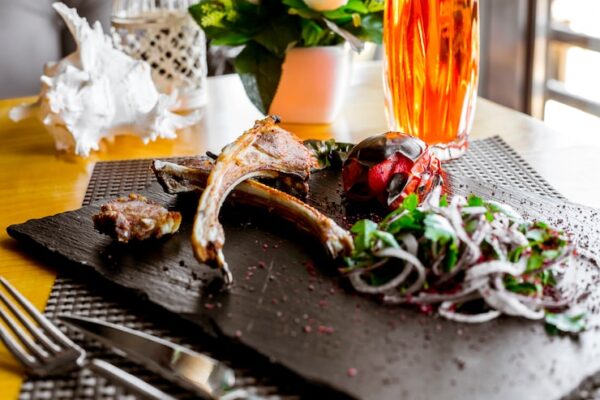
In restaurants from Edinburgh to Los Angeles, Scottish lamb chops are appearing alongside prime cuts of beef, and the response from guests has been nothing short of enthusiastic.
This is not a passing trend. It represents the evolution of what a steakhouse can be — and should be.
The Unique Story of Scottish Lamb
Scotland may not be the first country people think of when discussing world-class meat. Japan is known for wagyu beef, Argentina for grass-fed asado, and the American Midwest for corn-finished prime cuts.
Yet Scotland has quietly produced some of the most exceptional lamb in the world for centuries. Only recently has international restaurant culture begun to fully appreciate what Scottish farmers have long understood.
Terrain, Breed, and Climate: The Scottish Advantage
The quality of Scottish lamb begins with its landscape.
The Scottish Highlands and Islands offer mineral-rich grazing land covered with wild grasses, herbs, and heather. Sheep feeding naturally on these pastures develop distinctive flavor profiles that cannot be replicated by commercial feed.
Food scientists often describe this effect as terroir, a concept borrowed from the wine industry.
The dominant breeds — Blackface and Cheviot sheep — are hardy and slow-growing. Because these animals are not rushed to market, their muscle fibers develop more fully, resulting in meat with deeper flavor and satisfying texture.
The cool Scottish climate also contributes to quality. Lower stress levels in livestock produce more tender meat, allowing chefs to rely on simple preparation methods that highlight the lamb’s natural character.
What Makes Scottish Lamb Chops Different
Not all lamb chops are created equal.
Scottish lamb is known for a flavor profile that is clean, herbaceous, and subtly sweet, rather than overly gamey. This makes it appealing even to diners who normally avoid lamb.
The most prized cuts include:
- Loin chops
- Rack of lamb
A properly prepared rack of lamb — often frenched and served in a crown presentation — is one of the most elegant dishes in fine dining.
When seared in a cast-iron pan or grilled over charcoal, the outer fat forms a crisp caramelized crust while the interior remains tender and pink.
How Upscale Steakhouses Prepare Scottish Lamb Chops
Many chefs favor a minimalist approach.
A marinade of rosemary, garlic, Dijon mustard, and olive oil enhances the lamb’s natural flavor without overpowering it. After resting, the chops are grilled over high heat for about six to eight minutes to achieve a perfect medium-rare finish.
In Michelin-inspired kitchens, Scottish lamb chops are paired with elevated accompaniments such as:
- Parsnip purée inspired by traditional neeps and tatties
- Whisky-infused jus
- Pickled red cabbage
- Charred leeks
- Heather honey glaze
These elements balance the lamb’s herbaceous character with smoky, acidic, and sweet notes.
Other Steakhouse Classics Worth Celebrating
While Scottish lamb chops are gaining popularity, they are part of a broader shift toward diverse premium proteins on steakhouse menus.
Veal Chops: The Forgotten Aristocrat
Modern veal chops are experiencing a quiet comeback.
The milk-fed veal rib chop offers a delicate, buttery flavor and is often presented similarly to a tomahawk ribeye.
Typically seasoned with sea salt and pepper, the chop is seared in clarified butter and finished in the oven. A light pan sauce of white wine and thyme completes the dish.
Heritage Pork: When Swine Becomes Serious
Heritage pork breeds such as Berkshire, Duroc, and Mangalitsa are gaining recognition in premium restaurants.
Unlike commercial pork, these breeds are raised for flavor rather than efficiency. Berkshire pork, in particular, has rich marbling and deep red color that resembles beef.
Steakhouses often pair heritage pork with:
- Apple reductions
- Stone fruit chutneys
- Aged balsamic glaze
Dry-Aged Duck Breast: The Underdog of Fine Meat
Duck breast occupies a unique space between poultry and red meat.
Dry-aging duck intensifies flavor and improves texture. The result is crisp skin, concentrated richness, and a luxurious mouthfeel.
Many modern steakhouses now serve duck breast sliced like a tenderloin medallion.
Bison: The Native Comeback
Bison has returned to the spotlight in contemporary restaurants.
Compared to beef, bison is:
- Leaner
- Higher in protein and iron
- Richer in mineral flavor
When sourced sustainably, it also represents one of the more environmentally responsible red meat choices.
Wine, Whisky, and the Perfect Pairing
Scottish lamb pairs beautifully with wines that emphasize savory and herbal notes.
Excellent wine pairings include:
- Northern Rhône Syrah
- Rioja Reserva
- Oregon Pinot Noir
For a truly authentic experience, some diners choose Scotch whisky.
A lightly peated Speyside whisky enhances the lamb’s wild, heathery flavor in a way wine cannot fully replicate.
The Future of the Steakhouse Plate
Steakhouses have never been only about beef.
At their best, they celebrate exceptional meat of all varieties, prepared with skill and served in an atmosphere designed for memorable dining.
The rise of Scottish lamb chops and other premium proteins reflects the continued evolution of steakhouse culture.
Conclusion: Why Scottish Lamb Deserves a Place on the Steakhouse Menu
Scottish lamb stands out for its connection to land, breed, and climate. Its clean flavor and versatility make it one of the most exciting additions to modern steakhouse menus.
The next time a steakhouse menu offers Scottish lamb chops, consider choosing them over the familiar ribeye.
You may discover a flavor experience that completely redefines what a steakhouse meal can be.
About Tartan of Redlands
Tartan of Redlands, established on April 15, 1964, is known for its classic steakhouse dishes in a friendly, community-focused setting.
Founded by the Ctoteau brothers, the restaurant has changed ownership over the years while maintaining its core traditions. Larry Westin Jr. continued the legacy until 2015, when Jeff and Lisa Salamon assumed ownership.
Jeff Salamon, a Marine Corps veteran from Boston, continues the restaurant’s tradition of loyalty and community.
The menu features steakhouse favorites including:
- Saturday prime rib
- Premium steaks
- The famous Redlands Tartan Burger
Combined with a full bar and welcoming atmosphere, Tartan of Redlands has earned its nickname as the “Cheers of Redlands.”
Guests enjoy both indoor and outdoor seating and a dining experience centered on great food, service, and community.