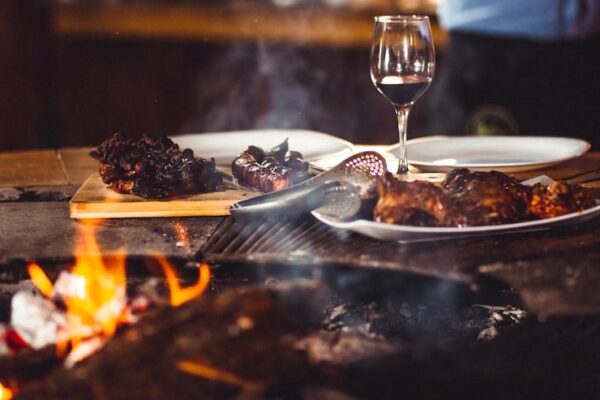
What Makes a Classic Steakhouse Dinner in Redlands Feel Memorable?
A classic steakhouse dinner has a particular rhythm. Guests arrive with an appetite, but they are usually looking for more than dinner alone. They want a table that feels comfortable, a room with enough energy to feel alive, a menu that gives everyone a confident choice, and service that knows when to guide and when to step back. In Redlands, that kind of dinner often becomes part of a larger evening: a walk downtown, a family celebration, a business conversation, a date night, or a weekend visit with friends.
That is why a memorable meal at Tartan of Redlands is not defined by one item. Steak matters, of course. So do the sides, the cocktail, the dessert, and the seat. But the real signature is the way those details work together. A steakhouse has to feel generous without becoming chaotic, polished without feeling cold, and familiar without becoming ordinary.
Start With the Reason for the Night
The best steakhouse dinners begin with a simple question: what kind of evening is this supposed to be? A casual Wednesday meal asks for a different pace than an anniversary dinner. A dinner before a show needs clean timing. A business dinner needs enough quiet for conversation. A family celebration needs dishes that make sharing easy and a table that can hold more than one conversation at once.
Guests who know the reason for the night make better choices. They reserve earlier when the evening matters, review the Tartan menus before arriving, and think about whether the group wants cocktails, appetizers, dessert, or a slower course-by-course meal. That preparation does not make the dinner stiff. It simply gives the night a smoother start.
Date Night, Family Dinner, or Business Meal?
For date night, the best plan is usually a comfortable reservation, one shared starter, two entrees, and enough time for dessert or a final drink. For family dinner, the table often benefits from a broader spread: appetizers, steakhouse sides, seafood, and options for different appetites. For business dining, the strongest choice is a menu path that keeps decisions easy and avoids interrupting the conversation every few minutes.
The Steak Is the Center, But the Table Is the Story
A steakhouse earns its reputation with the center of the plate. Still, guests remember the full table. The first impression might be a well-seared cut of beef, but the memory usually includes the side dish everyone reached for twice, the sauce that made the second bite different from the first, the cocktail that matched the mood, and the small service detail that made the table feel cared for.
When choosing a steak, think about texture and appetite before habit. A richer cut suits a slower dinner. A leaner steak can feel cleaner when paired with seafood or a salad. Steakhouse sides matter because they shape the meal around the protein. Potatoes, vegetables, mushrooms, mac and cheese, or a crisp salad can move the dinner from heavy to balanced.
Guests who care about doneness can also review the USDA guidance on safe minimum internal temperatures for steaks, chops, and roasts at FSIS. In the dining room, the practical goal is simple: order the temperature that gives you the texture you enjoy, then let the kitchen and service team guide the details.
Atmosphere Changes the Way Dinner Feels
Atmosphere is not decoration. It changes appetite, conversation, and memory. A room that is too quiet can make a celebration feel exposed. A room that is too loud can make a thoughtful dinner feel rushed. The sweet spot for a classic steakhouse is a room with movement, warmth, and enough comfort that guests can settle in rather than fight the space.
Redlands adds its own texture to the experience. Guests often build dinner around downtown plans, local events, or a weekend visit. The City of Redlands keeps a helpful events calendar at redlands.gov/events, and planning dinner around a local outing can turn a meal into a full evening.
Why Timing Matters
Timing decides whether dinner feels relaxed or squeezed. A 6 PM reservation before a later plan gives the table room to order without rushing. A later reservation can suit guests who want the restaurant to feel more settled. If the dinner is tied to a birthday, anniversary, or business conversation, booking through the reservations page helps protect the pace of the evening.
Pairings Make the Meal Feel Intentional
Pairing does not need to be complicated. A bold red wine can support a rich steak. A whiskey cocktail can echo char and spice. A crisp beer can refresh the palate between heavier bites. A lighter cocktail can keep seafood or salads bright. The point is not to turn dinner into a lesson. The point is to make each course feel like it belongs to the same evening.
At Tartan, guests can make pairings easy by choosing the main dish first, then asking what drink best supports that flavor. Richer plates often welcome structure and depth. Brighter plates work well with citrus, bubbles, herbs, or a cleaner finish. Dessert can stand on its own, but it also becomes a strong closing note when paired with coffee, a final cocktail, or a shared table conversation that slows the night down.
How to Plan a Better Steakhouse Visit
Start with the number of guests, the reason for the dinner, and the time you want the evening to end. Review the menu in advance, especially if the table includes different appetites. Decide whether appetizers are part of the plan or whether the group prefers to move straight to entrees. If the dinner is important, leave room for dessert instead of treating it as an afterthought.
For larger occasions, explore private events at Tartan. For everyday meals, the main dining room may be the better fit. For takeout nights, online ordering can bring the steakhouse mood home. A classic steakhouse dinner works best when the format matches the occasion.
Frequently Asked Questions
What should I order for a first steakhouse dinner at Tartan?
Start with a steak or signature entree that fits your appetite, add one side for balance, and consider a cocktail or wine pairing. If you are dining with a group, shared appetizers make the table feel more social.
Should I make a reservation for a weekday dinner?
A reservation is smart any time the evening matters, especially for date nights, birthdays, business dinners, and weekend plans. It helps the team prepare for your arrival and protects your timing.
Can a steakhouse dinner work for non-steak eaters?
Yes. A strong steakhouse menu usually includes seafood, poultry, salads, appetizers, desserts, and sides, making it easier for mixed groups to enjoy one table without everyone ordering the same style of meal.
Reading the Room Before You Order
One of the quiet skills of a memorable steakhouse dinner is reading the room before the first order is placed. A table of two may want privacy, eye contact, and a slower pace. A table of six may need a few shared starters so conversation can begin before the entrees arrive. A family group may need a menu path that lets children, parents, and grandparents all feel comfortable. These details are easy to overlook, but they shape the emotional tone of dinner.
For hosts, this means thinking beyond the entree. Who is arriving first? Who tends to run late? Is someone celebrating quietly, or does the group expect a public moment? Will guests want photos before the table fills with plates? A steakhouse dinner feels more polished when these small questions are answered early, even if the answers are simple.
The Best Tables Have a Clear Center
Every good dinner has a center. Sometimes the center is the guest of honor. Sometimes it is the steak itself. Sometimes it is a business conversation, a date, a reunion, or a birthday toast. When the center is clear, everything else can support it. The host knows whether to order shared appetizers, whether to ask about wine, whether to save room for dessert, and whether the table should move quickly or settle in.
This matters because restaurant meals can drift. Guests arrive, menus open, side conversations start, and the evening becomes a sequence of small decisions. A clear center prevents that drift. It gives the table an unspoken purpose, which is often why the night feels memorable afterward.
Why Service Style Changes the Memory
Service is part of the meal even when guests barely notice it. A perfectly timed check-in can make the table feel cared for. Too many interruptions can break the flow of a conversation. Too little guidance can leave guests uncertain. In a classic steakhouse setting, service has to balance confidence and restraint.
That balance is especially important for guests who are new to the restaurant. Helpful guidance on steak temperature, sides, drinks, or dessert can turn an uncertain order into a confident one. Returning guests may want less explanation and more rhythm. A great dinner often feels natural because the service team reads which kind of experience the table needs.
The Local Redlands Element
A steakhouse in Redlands is not only competing with other restaurants. It is part of a local evening. Guests may be coming from work, a campus event, a downtown errand, a family visit, or a weekend activity. The restaurant becomes the anchor point where those separate threads meet. That local role gives dinner a sense of place.
Visitors often remember a restaurant because it helped them understand the town. Locals remember it because it becomes part of their personal calendar: the place for a birthday, the easy dinner after a long week, the familiar table for relatives from out of town, the reliable spot when nobody wants to experiment. A classic steakhouse dinner carries that continuity.
Making Dessert Part of the Plan
Dessert is often treated as optional, but it can be the part of the meal that makes the evening feel finished. For celebrations, dessert gives the table a natural closing moment. For date nights, it slows the pace and extends the conversation. For business dinners, it can create a softer final chapter after the main discussion is complete.
The best approach is to decide early whether dessert matters. If it does, leave room. Order sides with that in mind. Pace the drinks accordingly. A dinner that ends with intention feels different from one that simply stops when everyone is full.
A Better Dinner Starts Before Arrival
The difference between a good dinner and a memorable dinner often begins before anyone reaches the host stand. Guests who know the parking plan, reservation time, and rough menu direction arrive more relaxed. That calm affects the table. Instead of spending the first ten minutes deciding what kind of night this is, everyone can settle in, greet each other, and let the restaurant experience begin naturally.
For a classic steakhouse dinner in Redlands, that preparation can be simple. Confirm the reservation, skim the menu, decide whether the night includes dessert, and give yourself enough time to arrive without rushing. If the dinner is connected to a downtown event, check the event timing first. If it is a celebration, tell the restaurant before you arrive. The details are small, but they protect the mood.
Hosts can also think about the first five minutes after seating. Will the table start with water and conversation, or should appetizers be ordered quickly? Does the guest of honor need a specific seat? Should the first round be celebratory or relaxed? Answering these questions quietly helps the evening feel effortless to everyone else.
A steakhouse dinner becomes memorable when the practical pieces disappear into the background. The guests remember the warmth, the plate, the laughter, and the timing. They do not remember the logistics because the logistics were handled well.