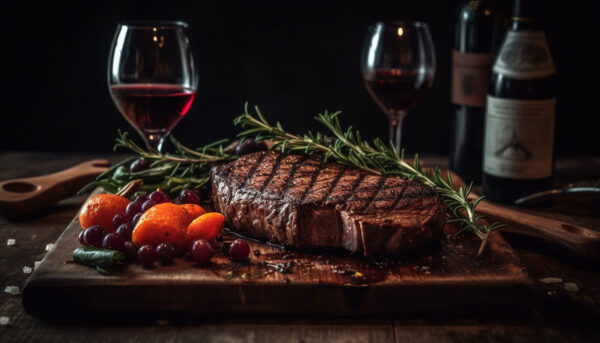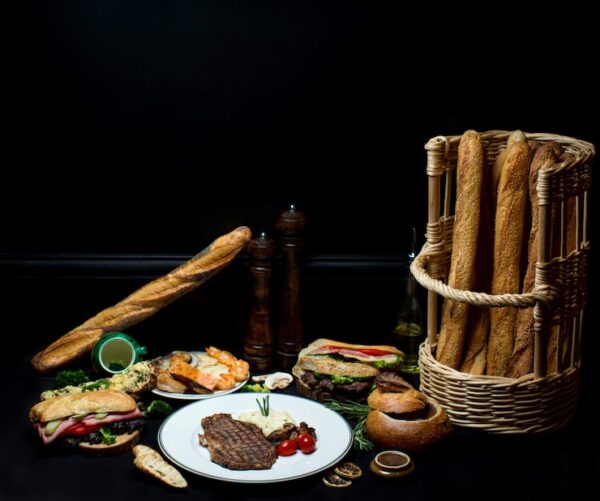
A Guest Guide to Steak Cuts, Doneness, and Sides at Tartan
Ordering steak can feel simple until the menu arrives. Then the questions begin. Which cut fits the night? Which temperature gives the best texture? Should the side be rich or bright? Is a sauce helpful or distracting? Guests do not need to memorize a butcher chart to enjoy a great steak dinner, but a little guidance makes the meal more confident.
This guide is written for guests planning a meal at Tartan of Redlands, but the principles apply to almost any classic steakhouse visit. The goal is not to make dinner technical. The goal is to help you order with intention, understand why different cuts behave differently, and build a plate that feels balanced from the first bite to the last.
Think Texture Before Size
Many guests begin by asking how large the steak is. Size matters, but texture matters more. A smaller steak with the texture you love will be more satisfying than a larger steak that does not match your appetite. Richer cuts tend to feel plush and deeply savory. Leaner cuts often feel cleaner, firmer, and more direct. A steakhouse dinner becomes easier when you think about what you want the bite to feel like.
If the evening includes appetizers, cocktails, sides, and dessert, a moderate steak may be the smartest choice. If the steak is the entire point of the visit, choose the cut that gives you the experience you came for. The best order is not always the largest order. It is the order that fits the full table.
Rich, Lean, Tender, or Bold?
Rich steaks pair well with structured drinks, savory sides, and slower pacing. Leaner steaks often welcome sauces, bright salads, or vegetable sides. Tender cuts feel elegant and easy. Bolder cuts can carry more char, seasoning, and steakhouse character. When in doubt, describe the texture you want rather than trying to guess the perfect cut by name.
Doneness Is About Texture, Not Status
There is no prize for ordering steak the way someone else thinks you should. Doneness is personal. Rare, medium rare, medium, and well done all create different textures, temperatures, and levels of juiciness. The best choice is the one that makes the steak enjoyable for you.
Guests who are unsure should think in terms of comfort. If you enjoy a softer, warmer red center, medium rare may suit you. If you prefer a firmer bite with less red, medium may be a better fit. If you want the steak cooked through, say so clearly and choose a cut that can handle that preparation. For food safety context at home, the USDA notes that steaks, chops, and roasts should reach a minimum internal temperature of 145 F with rest time, as explained at FoodSafety.gov.
In a restaurant setting, doneness is also part of communication. If you have a strong preference, be specific. If you are flexible, ask for guidance. A good steakhouse team wants the plate to arrive the way you will enjoy it.
Sides Can Balance or Deepen the Plate
Steakhouse sides do more than fill space. They determine whether the meal feels rich, balanced, bright, or indulgent. Potatoes and creamy sides deepen the comfort of the plate. Vegetables add freshness and contrast. A salad can reset the palate before or alongside a heavier entree. Shared sides turn dinner into a table experience instead of a collection of separate plates.
The easiest strategy is contrast. If your steak is rich, add something crisp or green. If your steak is lean, a creamy or savory side can make the plate feel more complete. If the table is celebrating, choose at least one side that everyone wants to taste. Those shared bites are often what guests talk about later.
One Side for Yourself, One for the Table
For two guests, one personal side and one shared side usually creates the right amount of variety. For four or more, build a small spread: one potato or starch, one vegetable, and one indulgent side. This keeps the table lively without turning dinner into a buffet.
Sauces and Pairings Should Support the Steak
A sauce should support the steak, not hide it. Peppercorn, herb butter, reduction, or other steakhouse accents can add aroma and depth, especially with leaner cuts. Rich cuts may need less help. If you want to taste the beef clearly, start with a small amount of sauce and adjust as you go.
Drink pairings follow the same idea. A bold red wine can frame a rich steak. A whiskey drink can mirror char. A crisp beer can cut through fried appetizers or heavier sides. A lighter cocktail can keep the meal fresh if seafood, salad, or a leaner entree is involved. The Tartan dining room gives guests room to build the dinner around mood as much as rules.
How to Order With Confidence
Before you order, decide whether the night is about the steak itself or the full table. If the steak is the star, choose the cut and doneness first, then build the sides around it. If the table experience matters most, start with appetizers and shared sides, then choose entrees that create variety. For celebrations, make room for dessert and do not rush the final course.
If you are planning a dinner around a specific time, reserve through Tartan reservations. If you are comparing dinner with a group event, the private events page can help you choose the right format. A good steak dinner is not about ordering perfectly. It is about ordering in a way that fits the people at the table.
Frequently Asked Questions
What steak temperature should I choose if I am unsure?
Medium rare and medium are common choices, but the right answer depends on the texture you enjoy. Tell the server whether you prefer softer, juicier, firmer, or cooked-through, and ask for guidance.
How many sides should a table order?
Two guests usually do well with one or two sides. Four guests can often share three sides for variety. Larger groups should include a mix of rich, fresh, and vegetable-forward options.
Can I pair cocktails with steak instead of wine?
Yes. Whiskey cocktails, spirit-forward classics, crisp highballs, and citrus-based drinks can all work depending on the steak, sauce, and sides you choose.
How Steak Cut Choices Affect the Whole Meal
A steak cut does more than determine flavor. It affects the pace of the meal, the drink pairing, the side dishes, and how full the guest will feel by dessert. A rich cut can make the dinner feel luxurious, but it may ask for brighter sides and a slower drink. A leaner cut can leave more room for appetizers, seafood, or dessert. A larger cut may be perfect for a guest who came hungry, but it can overwhelm a table that plans to share multiple courses.
This is why the smartest steak order begins with the full evening. If you plan to start with appetizers, enjoy a cocktail, and share dessert, choose a steak that fits that arc. If the visit is built around the steak alone, choose the cut that gives you the deepest satisfaction. The menu is not a test. It is a set of tools for shaping dinner.
Ask About Flavor, Not Just Tenderness
Tenderness is only one part of pleasure. Some guests want the softest possible bite. Others care more about deep beef flavor, char, seasoning, or the way a steak stands up to a sauce. When you ask only for tenderness, you may miss a cut that has more character. When you ask about flavor, the conversation becomes more useful.
A helpful ordering question is, “What cut gives me the best balance of flavor and texture tonight?” That invites guidance without requiring you to know every term. It also gives the server room to consider your sides, drink choice, and appetite.
Why Resting and Carryover Matter
Steak continues to change after it leaves direct heat. Resting gives juices time to settle and helps the final texture feel more even. In restaurants, guests may not see this process, but they taste the result. A steak that has been handled with patience feels different from one that has been rushed from heat to knife.
Carryover cooking is one reason communication about doneness matters. A steak ordered to a specific temperature is managed with timing in mind. If you strongly prefer a certain interior color or texture, say so clearly. The more direct the preference, the easier it is for the kitchen and service team to deliver the experience you want.
Building a Plate for Balance
Balance does not mean restraint. It means the plate has enough contrast to stay enjoyable from the first bite to the last. A rich steak with a rich side and a rich drink can be satisfying for a few bites, then become heavy. Add acidity, freshness, herbs, vegetables, or a crisp drink and the meal opens up again.
Think of the table as a conversation between flavors. Char needs freshness. Cream needs texture. Salt needs brightness. Sweetness needs structure. A guest does not need culinary training to make these choices. If the plate seems too heavy, add something green or crisp. If it seems too lean, add a side with comfort and depth.
Ordering for a Group
Group steak dinners work best when everyone does not order in isolation. A table can create more variety by choosing different sides, sharing appetizers, and leaving room for a dessert course. If every guest orders the same style of plate, the meal can feel repetitive. If the table builds a spread, guests get more of the steakhouse experience.
For hosts, the easiest move is to suggest two or three shared sides before entrees are finalized. This gives the group a common table experience while still letting each guest choose their main dish. It also keeps the conversation moving because guests have something to talk about beyond their own plate.
Common Ordering Mistakes to Avoid
The most common steakhouse mistake is ordering by habit instead of appetite. A guest may choose the same doneness every time even when a different cut would be better slightly warmer or cooler. Another guest may order the richest steak and the richest side, then feel finished halfway through dinner. Someone else may skip appetizers to save room, then realize the table needed shared food to create momentum.
A better approach is to order for the specific evening. If you are dining early before another plan, choose a cleaner plate. If the night is a celebration, build in a shared appetizer and dessert. If you want to explore the menu, choose sides that contrast rather than repeat. If you rarely order steak, ask for guidance on cut and temperature instead of guessing.
Guests should also avoid treating sauces as automatic. Some steaks shine with little more than seasoning and proper cooking. Others welcome pepper, butter, herbs, or a savory accent. Taste first when possible, then add. This lets the steak remain the center of the plate while still giving you room to shape each bite.
The final mistake is forgetting the finish. Dessert, coffee, or one last shared bite can make the meal feel complete. If the steak is excellent but the ending is rushed, the dinner may feel unfinished. A thoughtful final course gives the whole meal a stronger memory.
Final Thought: Order for Enjoyment, Not Perfection
The most useful steak guide is not the one that makes guests feel like experts. It is the one that helps them enjoy dinner with less hesitation. A steakhouse meal should still feel generous, comfortable, and personal. Use cut, doneness, sides, and pairings as tools, then let the evening be about the people at the table.
If you are torn between two choices, ask which plate you will still be excited about halfway through the meal. That answer is often clearer than any technical rule. The right steak is the one that fits your appetite, your mood, your drink, and the kind of night you came to have.