Planning a Family Celebration or Graduation Dinner in Redlands
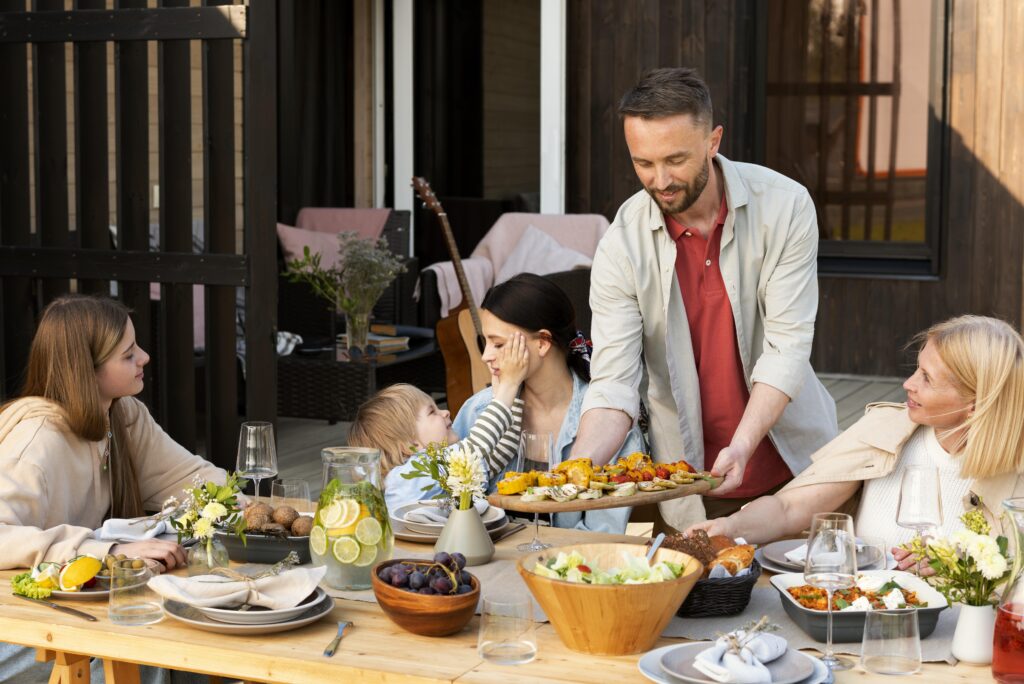
A family celebration succeeds when the host can stop managing details and actually enjoy the table. Graduation dinners, milestone birthdays, anniversaries, retirement meals, and reunions all carry emotion. People are not just eating together. They are marking a moment, catching up, taking photos, giving toasts, and trying to make the guest of honor feel seen.
That is why planning matters. A strong restaurant plan gives the evening structure without making it feel formal. At Tartan of Redlands private events, families can match the size and tone of the occasion to the right format, from a comfortable dinner reservation to a more organized private dining setup.
Start With the Guest of Honor
Before choosing a time or menu, think about the person being celebrated. A graduate may want a lively dinner with friends and family. A grandparent may prefer a quieter table with easy conversation. A birthday guest may enjoy a dessert moment. A retirement dinner may need time for a toast. The right plan begins with the emotional purpose of the evening.
When the guest of honor is central to the plan, decisions become easier. Seating can place them where they can see the table. The menu can include dishes they love. Timing can support photos, gifts, or a short speech. The celebration feels personal because the details point in the same direction.
Graduation Dinners Need Extra Timing
Graduation days are busy. Ceremonies run long, parking takes time, and families often arrive in waves. Build a buffer between the ceremony and dinner. If guests are coming from different places, choose a reservation time that allows everyone to arrive without stress. A slightly later, calmer dinner is usually better than a rushed table.
Choose the Right Table Format
Small family celebrations can work beautifully in the main dining room. The restaurant atmosphere adds energy, and the host does not need to manage a separate event format. Once the guest count grows, the table plan becomes more important. Large groups need enough space for service, conversation, and movement. They also need a clear plan for ordering and pacing.
A long table can feel unified for smaller groups, especially when one toast or shared conversation matters. Multiple tables can work better for larger groups because they create natural conversation zones. For very important occasions, a private or semi-private arrangement may give the celebration more focus.
If you are unsure which layout fits your group, start with the contact page and share the guest count, date, occasion, and timing needs. The more specific the host is early, the smoother the final plan becomes.
Plan a Menu That Works for Different Ages
Family tables often include several generations, which means the menu has to work for different appetites. A strong plan includes familiar favorites, a few lighter options, satisfying sides, and enough variety that no guest feels boxed into one choice. The best family celebration menus feel generous but not overwhelming.
Review the menus before confirming the plan. Think about whether guests will order individually, whether the table should share appetizers, and whether dessert should be a planned moment. For graduation dinners, shared starters can help guests settle in while everyone arrives. For anniversaries or birthdays, dessert may be the emotional finish.
Keep Ordering Simple for Large Groups
Large groups can lose momentum when every guest is making a complicated decision at the same time. A narrower set of choices, planned appetizers, or a family-style side strategy can help. The goal is not to remove choice. The goal is to keep the evening moving so the focus stays on the celebration.
Make Space for Photos and Toasts
Most family celebrations include a few moments that are not on the menu: photos, cards, flowers, gifts, a toast, or a small speech. Those moments need space. Tell the restaurant if a toast is planned. Let the team know if dessert should arrive at a specific time. If photos matter, think about whether you want them before dinner, during dessert, or as guests arrive.
Redlands families often build celebrations around a full local day. The City of Redlands visitor information at Visit Redlands can help guests who are coming from out of town understand the area, while dinner gives everyone one shared place to land.
Private Dining Can Reduce Host Stress
Private dining is not only about exclusivity. It is also about control. A more defined space can make arrivals easier, keep the group together, support speeches, and give the host a clearer plan for pacing. For graduation dinners, milestone birthdays, and anniversaries, that structure can make the difference between a nice meal and a celebration that feels fully considered.
Not every family event needs a private room. Some celebrations feel better in the energy of the dining room. The right choice depends on guest count, budget, privacy needs, and whether the evening includes speeches or special timing. Start with the purpose of the event, then choose the format that supports it.
A Simple Planning Checklist
Confirm the date, guest count, occasion, and ideal arrival time. Decide whether the group needs privacy or simply a well-placed table. Review the menu and identify any guests with special dietary needs. Decide whether appetizers and dessert should be planned in advance. Share timing details with the restaurant, including photos, toasts, or gifts. Then make the reservation through Tartan reservations or contact the team for larger events.
The best family celebration is not the one with the most complicated plan. It is the one where the plan quietly supports the people at the table.
Frequently Asked Questions
How early should I book a graduation dinner in Redlands?
Book as early as possible once the ceremony date and guest count are clear. Graduation season fills quickly, and early planning gives the restaurant more options for timing and table layout.
Do family celebrations need private dining?
Not always. Smaller, casual celebrations can work well in the main dining room. Private dining is helpful when the group is larger, needs speeches, or wants a more focused setting.
What should hosts tell the restaurant in advance?
Share the occasion, guest count, arrival timing, dietary needs, whether dessert is planned, and whether there will be photos, gifts, or a toast.
Creating a Celebration Timeline
A family celebration feels easier when the host has a simple timeline. The timeline does not need to be formal, but it should answer the basics: when guests arrive, when appetizers begin, when the main course should land, when photos happen, and whether dessert includes a special moment. Without this structure, the host spends the meal reacting instead of participating.
For graduation dinners, timing is especially important because ceremonies and travel can create delays. For birthdays and anniversaries, the timing is more emotional. Guests may want a toast before entrees or dessert after a certain person arrives. A timeline lets the restaurant support the moment instead of guessing.
Share the Timeline Early
Hosts should share key timing details when booking or confirming the reservation. If dessert should arrive with candles, say so. If the group needs a few minutes for a toast, mention it. If guests are likely to arrive in stages, explain that too. The more the restaurant knows, the less the host has to manage at the table.
This does not mean every minute must be planned. It simply means the important moments are protected. A celebration can still feel relaxed when the structure is handled quietly in the background.
Seating Matters More Than Hosts Expect
Seating can change the entire feel of a family dinner. Put the guest of honor where they can see the room and be seen by the people who came to celebrate them. Seat older guests where access is easy. Keep children near adults who can help them. Place talkative relatives where their energy helps the table rather than overwhelming it.
For multi-generational groups, avoid creating an accidental divide where older guests are at one end and younger guests are at the other unless that is intentional. Mixed seating can create warmer conversation and better photos. For business-family hybrids, such as a retirement dinner with colleagues and relatives, seating deserves even more care.
Handling Dietary Needs Gracefully
Every family group seems to include at least one special dietary need, preference, or strong opinion. The host does not need to solve every detail alone, but it is wise to collect important information before dinner. Allergies, vegetarian preferences, lighter appetites, and mobility needs should be shared early.
The goal is to make every guest feel considered without turning dinner into a logistical meeting. A quick note to the restaurant in advance can prevent awkward table-side surprises. It also helps the guest with the need relax because they know the host took it seriously.
Small Details That Make the Night Feel Personal
Personal details do not have to be expensive. A printed card, a favorite dessert, a short toast, a reserved seat for the guest of honor, or a planned photo can make the celebration feel intentional. The best details are the ones connected to the person, not the ones copied from someone else’s event.
If the graduate loves a certain dish, build the dinner around it. If the birthday guest dislikes attention, skip the big speech and choose a quieter dessert moment. If grandparents are attending, plan the pace so they are not waiting too long between courses. Thoughtfulness is more important than decoration.
What Hosts Can Do the Week Before
The week before a family celebration is the right time to confirm details, not reinvent the event. Check the guest count, update the restaurant if the number changed, and confirm whether the table needs any special timing. Ask about dietary needs, but keep the question simple so guests can answer quickly. If the celebration includes gifts, flowers, or a cake, confirm what is appropriate before bringing anything in.
Hosts should also send guests the essential details in one message: restaurant name, address, reservation time, parking notes if needed, and whether the meal is casual, semi-private, or private. That message prevents repeated questions and helps guests arrive with the same expectations.
If the event includes a toast, choose the speaker before the dinner. A planned toast is usually warmer and shorter than an improvised one. If multiple people want to speak, decide the order ahead of time. The goal is to honor the moment without turning dinner into a program that overwhelms the meal.
Finally, make a plan for payment. Whether one host is covering the check or guests are splitting, clarity prevents awkwardness at the end of the night. The smoother the close, the better the celebration feels in memory.
The Best Celebration Feels Easy for the Guest of Honor
Hosts sometimes focus so much on guests that they forget the person being celebrated. The guest of honor should not have to manage the check, answer logistical questions, coordinate late arrivals, or decide when dessert happens. Those details should be handled around them so they can enjoy the people who came to celebrate.
A thoughtful plan creates that ease. Clear timing, a comfortable seat, a menu that fits the group, and a simple closing moment can make the dinner feel generous without becoming complicated. When the guest of honor feels relaxed, everyone else follows.
When the celebration is over, the best sign of success is simple: the host was present, the guest of honor felt cared for, and the group left with a shared memory rather than a list of small problems. Good planning creates that kind of ease.
That is the quiet value of planning ahead.