The Sizzle Goes Digital: Why Redlands Steakhouses Are Seeing a Surge in Online Orders
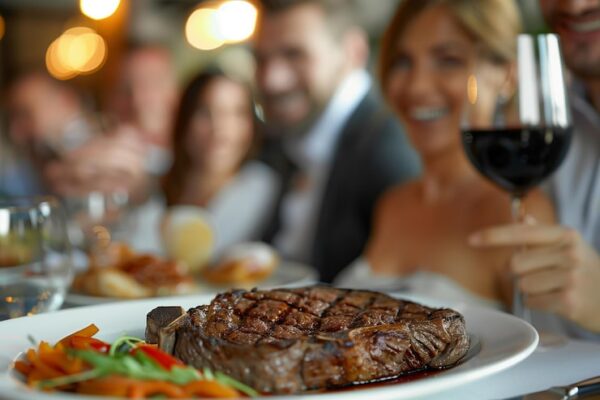
There’s something almost sacred about the steakhouse experience. The warm lighting, the clink of wine glasses, the theatrical presentation of a perfectly charred ribeye. For decades, premium steakhouses have been synonymous with in-person dining, where ambiance is half the appeal. Yet something remarkable is happening in Redlands: steakhouses are experiencing an unprecedented boom in online orders, fundamentally changing how these establishments operate and how diners enjoy their premium cuts.
This shift isn’t just a temporary pandemic hangover. It represents a genuine evolution in how people approach fine dining, and Redlands steakhouses are adapting with surprising creativity and success.
The Cultural Shift Behind the Screen
The transformation begins with changing consumer expectations. Today’s diners have grown accustomed to accessing restaurant-quality meals from the comfort of home, but they’re no longer satisfied with basic delivery fare. They want the full experience, premium ingredients included, delivered to their doorstep. When that craving for a butter-basted filet mignon hits on a Tuesday evening, they’re reaching for their phones rather than making reservations.
Redlands residents, in particular, have embraced this hybrid approach to dining. The city’s demographic blend of established professionals, growing families, and tech-savvy younger residents creates the perfect storm for digital ordering adoption. These customers appreciate quality and are willing to pay for it, but they also value convenience and flexibility in how they experience that quality.
Technology Meets Tradition
Steakhouses in Redlands have invested heavily in digital infrastructure that would have seemed unnecessary just five years ago. Sophisticated ordering platforms now allow customers to specify precise doneness levels, request specific cuts from digital displays, and even schedule delivery windows that align with their dinner plans. Some establishments have implemented augmented reality features that let customers visualize portion sizes on their own dinner tables before ordering.
The technology extends beyond the ordering interface. Kitchen management systems now prioritize timing for takeout orders differently than dine-in meals, ensuring that a medium-rare New York strip arrives at the customer’s door at peak temperature and texture. Special packaging innovations, from thermal insulation to vented containers that prevent steam buildup, have become as important as the quality of the beef itself.
The Economics of Digital Expansion
From a business standpoint, the data paints a powerful picture. Online orders have opened new revenue streams without requiring additional dining room capacity. A steakhouse that might serve 60 covers during a busy dinner service can now effectively serve 80 or 90 when factoring in takeout and delivery orders prepared simultaneously. The profit margins on digital orders can actually exceed traditional dine-in service when you factor in reduced front-of-house staffing needs and table turnover constraints.
Several Redlands steakhouses have reported that online orders now constitute between 25 and 35 percent of their total revenue, a figure that seemed impossible before 2020. This additional income has allowed these establishments to weather economic uncertainties, invest in better ingredients, and even expand their physical locations to accommodate larger kitchen operations.
Reimagining the Menu for Digital Delivery
The surge in online orders has forced steakhouses to think differently about their offerings. Not every dish translates well to delivery, and smart operators have adapted accordingly. Many Redlands establishments now maintain separate digital menus that emphasize items that travel exceptionally well while maintaining quality standards.
Certain preparations have proven surprisingly resilient to delivery logistics. Thicker cuts that retain heat longer, dishes with rich sauces that can be reheated easily, and sides that maintain their texture during transit have become digital menu staples. Some steakhouses have even developed exclusive online-only offerings designed specifically for the at-home dining experience, such as build-your-own steak kits with sides and sauces that customers can finish on their own grills or stovetops.
The Celebration Market Opportunity
One of the most significant drivers of online steakhouse orders in Redlands has been the celebration and special occasion market. Families celebrating anniversaries, birthdays, or promotions increasingly choose to order steakhouse-quality meals for home celebrations rather than navigating reservations, dress codes, and dining out with children or elderly relatives.
This trend has proven particularly strong for multi-generational gatherings. Grandparents who might struggle with restaurant noise levels can now enjoy premium steaks in the comfort of familiar surroundings. Parents can put young children to bed on schedule while still enjoying an upscale meal. The flexibility has made special occasion dining more accessible to a broader range of customers.
Building Digital Loyalty
Traditional steakhouses have always relied heavily on regular customers and personal relationships. The digital transformation hasn’t diminished this aspect but rather expanded it. Sophisticated loyalty programs now track ordering preferences, remind customers of favorite dishes, and offer personalized recommendations based on previous orders.
Some Redlands steakhouses have taken this further by offering virtual sommelier services through their apps, where customers can chat with wine experts to pair their meal selections. Others provide video tutorials on optimal reheating techniques or tips for plating delivered meals restaurant-style. These digital touchpoints create new opportunities for relationship building that complement rather than replace traditional hospitality.
The Quality Control Challenge
Maintaining steakhouse standards through delivery channels presents genuine challenges that Redlands establishments have had to solve creatively. The biggest concern is ensuring that a $60 steak arrives in the same condition it would be served in the dining room. This has led to significant innovation in packaging, timing, and preparation techniques.
Many steakhouses now slightly undercook steaks intended for delivery, accounting for residual cooking that occurs in insulated packaging. Detailed reheating instructions accompany orders, often with QR codes linking to video demonstrations. Some establishments include instant-read thermometers with first-time digital orders, encouraging customers to verify proper temperature before serving.
The Competition Landscape
The success of steakhouse digital ordering in Redlands hasn’t gone unnoticed by competitors. Chain restaurants and fast-casual concepts have attempted to capture similar market share with lower-priced alternatives, but premium steakhouses maintain advantages that prove difficult to replicate. The quality of their beef sourcing, expertise in preparation, and attention to detail in packaging and delivery logistics create meaningful differentiation that justifies premium pricing.
Independent steakhouses have found that their existing reputations and local connections provide substantial competitive moats in the digital space. Customers who have experienced these establishments in person are more likely to trust them with online orders, and word-of-mouth recommendations carry significant weight in a community like Redlands.
Workforce Adaptation
The digital surge has required steakhouse staff to develop new skill sets. Line cooks now need to think about timing and preparation differently for takeout orders. Hosts have transformed into order coordinators, managing digital platforms alongside traditional reservations. New positions have emerged, from dedicated packaging specialists to delivery coordinators who ensure orders leave the restaurant in optimal condition.
Training programs have evolved accordingly. Staff members learn not just how to cook a perfect steak but how to package it for a fifteen-minute journey, how to troubleshoot digital ordering issues, and how to provide customer service through chat interfaces and phone calls rather than face-to-face interactions.
Environmental Considerations
The environmental impact of increased packaging and delivery has become an important consideration for Redlands steakhouses. Many have invested in compostable containers, eliminated single-use plastics, and partnered with delivery services that use electric vehicles. Some offer incentives for customers who opt for minimal packaging or pick up orders themselves.
This environmental consciousness resonates particularly well with Redlands residents, who generally demonstrate strong awareness of sustainability issues. Steakhouses that prominently communicate their environmental initiatives often see increased digital ordering loyalty from customers who appreciate these efforts.
Looking Forward
The digital transformation of Redlands steakhouses appears permanent rather than transitional. Even as in-person dining has fully returned to pre-pandemic levels, online ordering continues growing. This suggests that digital channels have genuinely expanded the market rather than simply shifting existing demand from one channel to another.
Future developments will likely include even more sophisticated personalization, integration with smart home devices that can time deliveries to match dinner schedules, and perhaps augmented reality experiences that bring elements of the steakhouse ambiance into customers’ homes. Some establishments are already experimenting with hybrid models where customers can start meals at home and finish them tableside during later visits.
The story of Redlands steakhouses and digital ordering ultimately reflects broader changes in how we think about dining experiences. The rigid boundaries between restaurant and home cooking have blurred. Quality and convenience are no longer opposing values but complementary ones. The sizzle of a perfectly cooked steak no longer requires a dining room to be appreciated fully.
For steakhouses willing to embrace this evolution thoughtfully, the digital surge represents not a threat to tradition but an expansion of it. The core values of quality ingredients, expert preparation, and exceptional service remain unchanged. The delivery mechanism has simply become more flexible, meeting customers where they are rather than requiring them to come to the restaurant.
As Redlands continues growing and evolving, its steakhouses are proving that even the most traditional dining concepts can adapt successfully to digital demands. The result benefits everyone: restaurants gain new revenue streams and operational efficiencies, while diners enjoy unprecedented access to premium dining experiences on their own terms. The sizzle has indeed gone digital, and both steakhouses and their customers are better for it.
The Sizzle Goes Digital: Why Redlands Steakhouses Are Seeing a Surge in Online Orders
There’s something almost sacred about the steakhouse experience. The warm lighting, the clink of wine glasses, the theatrical presentation of a perfectly charred ribeye. For decades, premium steakhouses have been synonymous with in-person dining, where ambiance is half the appeal. Yet something remarkable is happening in Redlands: steakhouses are experiencing an unprecedented boom in online orders, fundamentally changing how these establishments operate and how diners enjoy their premium cuts.
This shift isn’t just a temporary pandemic hangover. It represents a genuine evolution in how people approach fine dining, and Redlands steakhouses are adapting with surprising creativity and success.
The Cultural Shift Behind the Screen
The transformation begins with changing consumer expectations. Today’s diners have grown accustomed to accessing restaurant-quality meals from the comfort of home, but they’re no longer satisfied with basic delivery fare. They want the full experience, premium ingredients included, delivered to their doorstep. When that craving for a butter-basted filet mignon hits on a Tuesday evening, they’re reaching for their phones rather than making reservations.
Redlands residents, in particular, have embraced this hybrid approach to dining. The city’s demographic blend of established professionals, growing families, and tech-savvy younger residents creates the perfect storm for digital ordering adoption. These customers appreciate quality and are willing to pay for it, but they also value convenience and flexibility in how they experience that quality.
Technology Meets Tradition
Steakhouses in Redlands have invested heavily in digital infrastructure that would have seemed unnecessary just five years ago. Sophisticated ordering platforms now allow customers to specify precise doneness levels, request specific cuts from digital displays, and even schedule delivery windows that align with their dinner plans. Some establishments have implemented augmented reality features that let customers visualize portion sizes on their own dinner tables before ordering.
The technology extends beyond the ordering interface. Kitchen management systems now prioritize timing for takeout orders differently than dine-in meals, ensuring that a medium-rare New York strip arrives at the customer’s door at peak temperature and texture. Special packaging innovations, from thermal insulation to vented containers that prevent steam buildup, have become as important as the quality of the beef itself.
The Economics of Digital Expansion
From a business perspective, the numbers tell a compelling story. Online orders have opened new revenue streams without requiring additional dining room capacity. A steakhouse that might serve 60 covers during a busy dinner service can now effectively serve 80 or 90 when factoring in takeout and delivery orders prepared simultaneously. The profit margins on digital orders can actually exceed traditional dine-in service when you factor in reduced front-of-house staffing needs and table turnover constraints.
Several Redlands steakhouses have reported that online orders now constitute between 25 and 35 percent of their total revenue, a figure that seemed impossible before 2020. This additional income has allowed these establishments to weather economic uncertainties, invest in better ingredients, and even expand their physical locations to accommodate larger kitchen operations.
Reimagining the Menu for Digital Delivery
The surge in online orders has forced steakhouses to think differently about their offerings. Not every dish translates well to delivery, and smart operators have adapted accordingly. Many Redlands establishments now maintain separate digital menus that emphasize items that travel exceptionally well while maintaining quality standards.
Certain preparations have proven surprisingly resilient to delivery logistics. Thicker cuts that retain heat longer, dishes with rich sauces that can be reheated easily, and sides that maintain their texture during transit have become digital menu staples. Some steakhouses have even developed exclusive online-only offerings designed specifically for the at-home dining experience, such as build-your-own steak kits with sides and sauces that customers can finish on their own grills or stovetops.
The Celebration Market Opportunity
One of the most significant drivers of online steakhouse orders in Redlands has been the celebration and special occasion market. Families celebrating anniversaries, birthdays, or promotions increasingly choose to order steakhouse-quality meals for home celebrations rather than navigating reservations, dress codes, and dining out with children or elderly relatives.
This trend has proven particularly strong for multi-generational gatherings. Grandparents who might struggle with restaurant noise levels can now enjoy premium steaks in the comfort of familiar surroundings. Parents can put young children to bed on schedule while still enjoying an upscale meal. The flexibility has made special occasion dining more accessible to a broader range of customers.
Building Digital Loyalty
Traditional steakhouses have always relied heavily on regular customers and personal relationships. The digital transformation hasn’t diminished this aspect but rather expanded it. Sophisticated loyalty programs now track ordering preferences, remind customers of favorite dishes, and offer personalized recommendations based on previous orders.
Some Redlands steakhouses have taken this further by offering virtual sommelier services through their apps, where customers can chat with wine experts to pair their meal selections. Others provide video tutorials on optimal reheating techniques or tips for plating delivered meals restaurant-style. These digital touchpoints create new opportunities for relationship building that complement rather than replace traditional hospitality.
The Quality Control Challenge
Maintaining steakhouse standards through delivery channels presents genuine challenges that Redlands establishments have had to solve creatively. The biggest concern is ensuring that a $60 steak arrives in the same condition it would be served in the dining room. This has led to significant innovation in packaging, timing, and preparation techniques.
Many steakhouses now slightly undercook steaks intended for delivery, accounting for residual cooking that occurs in insulated packaging. Detailed reheating instructions accompany orders, often with QR codes linking to video demonstrations. Some establishments include instant-read thermometers with first-time digital orders, encouraging customers to verify ensure the dish reaches the correct serving temperature.
The Competition Landscape
The success of steakhouse digital ordering in Redlands hasn’t gone unnoticed by competitors. Chain restaurants and fast-casual concepts have attempted to capture similar market share with lower-priced alternatives, but premium steakhouses maintain advantages that prove difficult to replicate. The quality of their beef sourcing, expertise in preparation, and attention to detail in packaging and delivery logistics create meaningful differentiation that justifies premium pricing.
Independent steakhouses have found that their existing reputations and local connections provide substantial competitive moats in the digital space. Customers who have experienced these establishments in person are more likely to trust them with online orders, and word-of-mouth recommendations carry significant weight in a community like Redlands.
Workforce Adaptation
The digital surge has required steakhouse staff to develop new skill sets. Line cooks now need to think about timing and preparation differently for takeout orders. Hosts have transformed into order coordinators, managing digital platforms alongside traditional reservations. New positions have emerged, from dedicated packaging specialists to delivery coordinators who ensure orders leave the restaurant in optimal condition.
Training programs have evolved accordingly. Staff members learn not just how to cook a perfect steak but how to package it for a fifteen-minute journey, how to troubleshoot digital ordering issues, and how to provide customer service through chat interfaces and phone calls rather than face-to-face interactions.
Environmental Considerations
The environmental impact of increased packaging and delivery has become an important consideration for Redlands steakhouses. Many have invested in compostable containers, eliminated single-use plastics, and partnered with delivery services that use electric vehicles. Some offer incentives for customers who opt for minimal packaging or pick up orders themselves.
This environmental consciousness resonates particularly well with Redlands residents, who generally demonstrate strong awareness of sustainability issues. Steakhouses that prominently communicate their environmental initiatives often see increased digital ordering loyalty from customers who appreciate these efforts.
Looking Forward
The digital transformation of Redlands steakhouses appears permanent rather than transitional. Even as in-person dining has fully returned to pre-pandemic levels, online ordering continues growing. This suggests that digital channels have genuinely expanded the market rather than simply shifting existing demand from one channel to another.
Future developments will likely include even more sophisticated personalization, integration with smart home devices that can time deliveries to match dinner schedules, and perhaps augmented reality experiences that bring elements of the steakhouse ambiance into customers’ homes. Some establishments are already experimenting with hybrid models where customers can start meals at home and finish them tableside during later visits.
The story of Redlands steakhouses and digital ordering ultimately reflects broader changes in how we think about dining experiences. The rigid boundaries between restaurant and home cooking have blurred. Quality and convenience are no longer opposing values but complementary ones. The sizzle of a perfectly cooked steak no longer requires a dining room to be appreciated fully.
For steakhouses willing to embrace this evolution thoughtfully, the digital surge represents not a threat to tradition but an expansion of it. The core values of quality ingredients, expert preparation, and exceptional service remain unchanged. The delivery mechanism has simply become more flexible, meeting customers where they are rather than requiring them to come to the restaurant.
As Redlands continues growing and evolving, its steakhouses are proving that even the most traditional dining concepts can adapt successfully to digital demands. The result benefits everyone: restaurants gain new revenue streams and operational efficiencies, while diners enjoy unprecedented access to premium dining experiences on their own terms. The sizzle has indeed gone digital, and both steakhouses and their customers are better for it.
About the Restaurant
Tartan of Redlands is a classic local steakhouse celebrated for its Saturday Prime Rib, diverse steak selections, the iconic Redlands Tartan Burger, and a fully stocked bar. This iconic spot first welcomed guests on April 15, 1964, thanks to the vision of three brothers—Velmer, Al, and Art Ctoteau.
Larry Westin took over managing the restaurant and later became a partner alongside the Ctoteau brothers. Mr. and Mrs. Westin remained at the helm until his passing in 2003, after which the restaurant was entrusted to Larry Westin Jr. He upheld the family tradition until 2015, when Tartan of Redlands was sold to its current owners, Jeff and Lisa Salamo
Jeff hails from Boston, Massachusetts, and is a proud veteran of the United States Marine Corps. Even with the changes in ownership, you will find that the old-school atmosphere has remained and the reputation of being the Cheers of Redlands where everybody knows your name remains strong.