
Indoor vs Outdoor Dining in Redlands: What to Choose
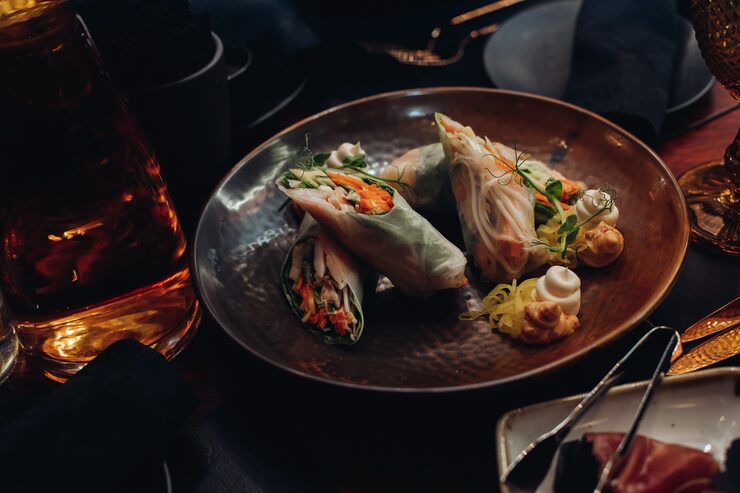
Redlands has always been a city that knows how to dine well. Nestled at the base of the San Bernardino Mountains with its historic downtown charm and tree-lined streets, this Southern California gem offers something many cities can’t: a genuine choice between exceptional indoor and outdoor dining experiences. But which should you pick for your next meal out?
The answer isn’t as simple as checking the weather forecast. Your ideal dining setting depends on the occasion, season, company, and what you’re hoping to get from the experience. Let’s explore what makes each option special in Redlands and how to decide what works best for you.
The Case for Outdoor Dining
There’s something magical about eating under the California sky, and Redlands restaurants have mastered the art of the patio experience. The city’s Mediterranean climate means outdoor dining isn’t just a summer luxury—it’s practically a year-round possibility.
Orange Street and State Street have transformed into outdoor dining destinations where brick courtyards meet string lights and sidewalk tables spill onto historic walkways. Many restaurants have invested in covered patios with heaters and fans, extending the comfort zone well beyond what you’d expect.
The atmosphere outdoors feels inherently relaxed. Conversations flow differently when you’re not contained by four walls. There’s people-watching, the occasional breeze carrying citrus blossom scent from nearby trees, and a casual energy that makes lingering over dessert feel natural rather than indulgent.
Families with energetic children often find outdoor spaces more forgiving. A toddler’s enthusiastic volume or a restless preschooler’s need to move doesn’t feel quite as disruptive when you’re outside. Dogs are welcome at many outdoor tables too, making dinner out feasible for pet owners who’d otherwise leave their furry friends at home.
The lighting is another underrated advantage. Natural daylight is unbeatable for food photography if you’re into that, and evening meals under Edison bulbs or candlelight create an ambiance that’s hard to replicate indoors without significant design investment.
When Indoor Dining Wins
For all its charms, outdoor dining isn’t always the answer. Redlands summers can push past comfortable into genuinely hot, and even the best misting systems have their limits. On those 95-degree August afternoons, air-conditioned indoor spaces become an oasis.
Indoor restaurants offer control—over temperature, noise levels, lighting, and distractions. This matters more than you might think when the occasion calls for focus. Business lunches, romantic dinners, or conversations that require privacy naturally gravitate toward indoor tables where you’re not competing with traffic noise or neighboring conversations.
The sensory experience differs too. Indoor dining lets you fully appreciate a restaurant’s design choices, from the artwork to the music selection to the way the space is laid out. Many of Redlands’ historic buildings house restaurants where the architecture itself is part of the experience—exposed brick, original woodwork, vintage details that tell the story of the city’s past.
Indoor spaces also protect your meal from the elements. Wind can blow napkins away and cool your food faster than you’d like. Insects, while not usually a major problem in Redlands, can occasionally become uninvited dinner guests outdoors. Inside, your food arrives at the intended temperature and stays that way.
For longer meals with multiple courses, indoor dining often proves more comfortable. While patio chairs have improved dramatically, they’re rarely as comfortable as well-designed indoor seating for extended periods.
Seasonal Considerations in Redlands
Redlands experiences enough seasonal variation to make timing relevant to your decision. Spring brings ideal outdoor weather—mild temperatures, blooming trees, and that particular quality of light that makes everything look better. This is peak patio season, and popular outdoor spots fill up quickly on weekend evenings.
Summer divides into two camps: early summer evenings can be perfect outdoors as temperatures drop, while midday summer meals are better enjoyed in air-conditioned comfort. Many restaurants see their indoor-outdoor ratio flip depending on the time of day during these months.
Fall extends the outdoor season beautifully. September and October often deliver Redlands’ finest weather—warm days, cool evenings, and that crisp quality to the air that makes eating outside feel special again after the summer heat.
Winter is where Redlands shows off its outdoor dining advantages compared to much of the country. While you might want a light jacket, many December and January days are perfectly pleasant for patio dining. When temperatures do drop, heated patios make evening meals feasible. This is when locals appreciate living in Southern California—outdoor dining isn’t a memory until spring but an option most of the year.
Matching the Setting to the Occasion
Think about what brings you to the restaurant in the first place. Catching up with an old friend over coffee and brunch? Outdoor settings encourage that leisurely, open-ended conversation style where time seems to expand. First dates often benefit from the slightly lower pressure of outdoor spaces—there’s enough going on around you to fill any awkward silences naturally.
Celebrating an anniversary or birthday? Indoor restaurants often provide a more intimate, special-occasion atmosphere where the focus stays on your party rather than the surrounding scene. The controlled environment helps create those memorable moments without external distractions.
Large group gatherings can work either way, but consider the dynamics. Outdoor spaces handle noise from big groups more gracefully, though indoor private dining rooms offer better acoustics for speeches or toasts that everyone should hear clearly.
The Hybrid Approach
Many Redlands restaurants offer both options, and the savvy diner doesn’t feel locked into one or the other. Some of the best experiences combine both: drinks or appetizers on the patio while you wait for your indoor table, or moving outside for dessert and coffee after your meal.
This flexibility lets you adapt to changing conditions too. If the weather shifts or your party’s needs change, restaurants with both options can usually accommodate a switch. It’s worth asking about when you make reservations.
Making Your Choice
Start by honestly assessing what matters most for this particular meal. Is it comfort, ambiance, conversation quality, or experience? Check the weather forecast, but also think about time of day—a restaurant might have both indoor and outdoor spaces that feel completely different at lunch versus dinner.
Consider your companions. Are there temperature-sensitive guests, people with allergies that might be triggered by pollen, or anyone with mobility concerns that might make certain outdoor setups challenging? The best choice accommodates everyone in your party.
Don’t hesitate to ask restaurants about their specific setup when you call for reservations. How’s the shade situation? Are there heaters or fans? Is there a backup plan if weather changes? Good restaurants appreciate these questions and can help guide your decision based on their space and the forecast.
The Redlands Advantage
What makes this choice interesting in Redlands is that both options are genuinely excellent. The city’s dining scene has invested in creating outstanding experiences whether you choose to eat under the sky or beneath a roof. Historic buildings provide character for indoor dining while ideal weather supports a thriving patio culture.
Your choice isn’t really about finding the “better” option—it’s about matching the setting to what you need from the experience. Both indoor and outdoor dining in Redlands offer something valuable, just in different ways.
So the next time you’re planning a meal out, take a moment to think beyond just which restaurant to visit. Consider where you want to sit. That simple choice might make the difference between a good meal and a great experience.