What to Expect at a Wine Pairing Dinner in Redlands
Redlands, California | Wine & Dining Guide
Nestled in the heart of the Inland Empire, Redlands is quietly becoming one of Southern California’s most charming destinations for food lovers. Its tree-lined streets, Victorian architecture, and a growing local restaurant scene make it the perfect backdrop for an evening steeped in culinary artistry. If you’ve ever received an invitation — or purchased a ticket — to a wine pairing dinner in Redlands and felt a mix of excitement and nervousness, you’re not alone. These events can feel intimidating from the outside, but they’re really one of the most pleasurable and educational dining experiences you can treat yourself to.
This guide walks you through everything you need to know before you arrive, while you’re there, and after the final glass has been cleared.
What Is a Wine Pairing Dinner, Exactly?
A wine pairing dinner is a structured, multi-course meal in which each dish is intentionally matched with a specific wine chosen to complement — and elevate — the flavors of that food. It’s not simply a dinner where wine happens to be served. The pairing is deliberate, thoughtfully curated, and often guided by a sommelier or head chef who has spent considerable time understanding how the tannins in a Cabernet interact with the fat in a braised short rib, or how a crisp Sauvignon Blanc cuts through the richness of a goat cheese tart.
In Redlands, these dinners range from intimate winery events held in barrel rooms to chef’s table evenings at upscale local restaurants. The common thread is intention — every element on the table has been considered with purpose.
The Structure of the Evening
Most wine pairing dinners in Redlands follow a fairly standard arc, though the details vary by venue. Here’s what a typical evening looks like from start to finish.
Arrival and Welcome Reception
You’ll usually arrive to a standing reception where guests mingle over a welcome pour — often a sparkling wine or light rosé. This is your chance to meet your sommelier for the evening, pick up a printed menu, and chat with other guests. Dress codes are typically smart casual to semi-formal; when in doubt, err on the side of overdressed. Redlands locals tend to take these evenings seriously, and the ambiance rewards a little effort.
The Seated Courses
Once guests are seated, the paced progression of courses begins. Most pairing dinners feature four to seven courses, each preceded by a brief introduction from the sommelier or chef. They’ll explain the wine first — its origin, grape variety, vintage year, and what makes it distinctive — before describing the dish and how the two are meant to interact on your palate.
A typical course progression looks something like this:
- First Course — Amuse-Bouche, paired with a sparkling wine or dry white
- Second Course — Soup or light appetizer, paired with a crisp white or rosé
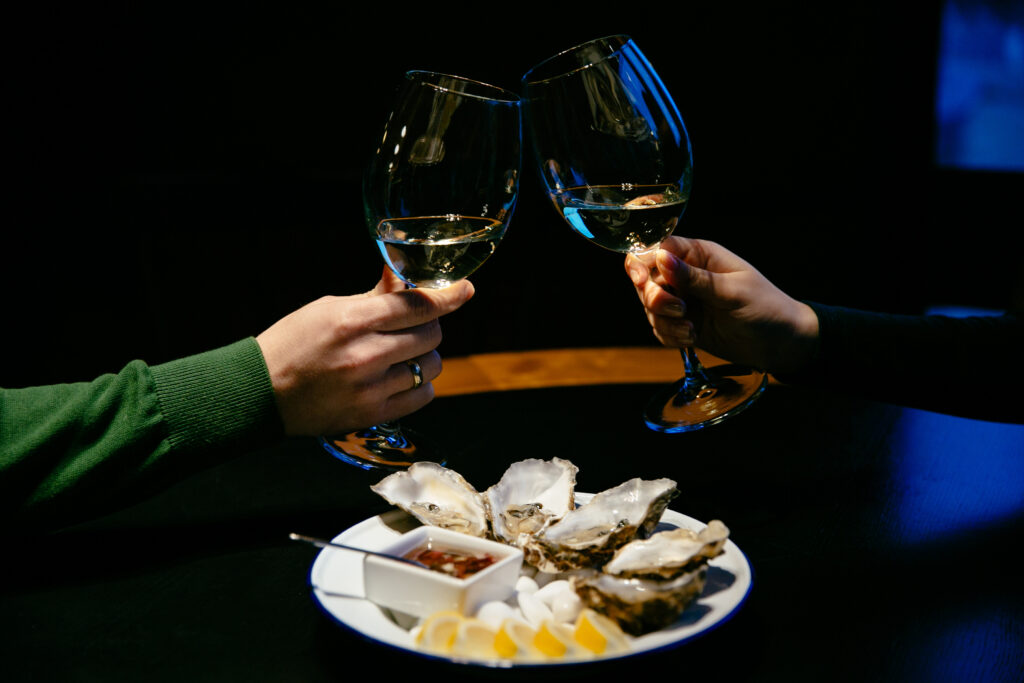
- Third Course — Fish or seafood, paired with Chardonnay or Pinot Gris
- Fourth Course — Meat or poultry, paired with a bold red or Pinot Noir
- Fifth Course — Cheese selection, paired with port or an aged red
- Sixth Course — Dessert, paired with a late harvest or dessert wine
Pour sizes are intentionally modest — typically two to three ounces per pairing — so that you can experience each wine’s character alongside the food without becoming overwhelmed before the main event arrives.
Where to Experience Wine Pairing Dinners in Redlands
Redlands has cultivated a handful of standout venues that regularly host these events, each offering its own distinct personality.
Local Farm-to-Table Restaurants
Several restaurants along State Street and in the historic downtown host monthly pairing dinners with rotating menus that celebrate seasonal California ingredients. These tend to be more casual and accessible for first-timers, with sommeliers who enjoy explaining their choices in approachable, conversational language.
Winery Tasting Rooms and Events
The Inland Empire’s growing wine country extends close to Redlands, and several small-production wineries hold intimate pairing dinners in their barrel rooms. These are especially immersive because you’re surrounded by the wine’s literal place of origin while you drink it.
Private Chef and Pop-Up Events
Redlands has a vibrant community of private chefs and culinary entrepreneurs who organize ticketed pop-up pairing dinners in unique locations — historic estates, rooftop gardens, or art galleries. These are often announced through local event listings and tend to sell out quickly.
Hotel and Spa Venues
Some of the upscale accommodations near Redlands offer seasonal wine dinners as part of their culinary programming, often tied to regional harvest events in the fall or Valentine’s Day weekends in February.
How to Taste Like You Mean It
You don’t need to be a certified sommelier to enjoy and engage with a wine pairing dinner — but a few simple techniques will deepen your experience considerably.
Look, then swirl, then smell before you sip
The classic four S’s of wine tasting — See, Swirl, Smell, Sip — exist for good reason. Tipping your glass slightly against a white surface reveals the wine’s color and clarity. A gentle swirl releases the wine’s aromatic compounds. A deep inhale before the first sip primes your brain to detect flavor nuances you’d otherwise miss entirely.
Taste the wine alone first, then with the food
This is the professional approach that dramatically illustrates the entire point of pairing. Take a sip of the wine on its own, note the acidity, tannins, and fruit character, then take a bite of food, then sip again. The transformation — how a slightly sharp wine suddenly seems softer alongside a creamy risotto, or how a bite of salty cheese pulls fruit forward in a wine you thought was dry — is the magic of a pairing dinner made visible.
Ask questions freely
Sommeliers at Redlands’ pairing dinners are invariably passionate and delighted when guests engage with their work. No question is too basic. Ask why a particular winemaker was chosen, what the food would taste like with a different grape variety, or what the sommelier would have served if their first-choice bottle had been unavailable. You’ll often unlock some of the evening’s most interesting conversation.
Etiquette and Practical Expectations
Arrive on time. Wine pairing dinners are paced events. Arriving late means missing the welcome pour and the contextual introduction to the evening’s theme. Venues typically hold for no more than ten minutes before beginning.
Communicate dietary restrictions in advance. Reputable venues will accommodate allergies or preferences, but they need advance notice to adjust the pairing menu thoughtfully rather than scrambling on the night.
Avoid heavy perfumes or colognes. Wine is largely an olfactory experience, and a strong scent can interfere with your own enjoyment as well as your neighbors’.
You don’t have to finish every pour. The volume served is modest, but if a wine genuinely isn’t to your liking, it’s perfectly acceptable to leave it. There’s no obligation, and a professional sommelier will not be offended.
Gratuity is often not included. Even when the ticket price appears comprehensive, check whether service is included. A warm tip to the sommelier and serving staff reflects the care they’ve put into crafting the experience.
What Makes Redlands’ Wine Scene Unique
Redlands occupies a compelling geographic position for wine culture. Situated at the base of the San Bernardino Mountains and within easy reach of the Temecula Valley wine country to the south, the area draws on a diverse network of California winemakers. Many of the wines served at local pairing dinners are sourced from small-production estates that don’t distribute widely, making these events one of the only ways to encounter certain bottles without a dedicated winery visit.
There’s also a distinct community sensibility to Redlands dining culture. These aren’t anonymous big-city events where guests remain silently transactional. Tables tend to be communal or at least conversation-adjacent, and it’s genuinely common to leave a pairing dinner with new friends who share your enthusiasm for both good food and the stories behind what’s in the glass.
How to Prepare Before You Go
You’ll enjoy the evening far more with a small amount of preparation. Read briefly about the featured wines in advance — even a ten-minute search on the featured winery or grape varieties will give you context that makes the sommelier’s introductions click rather than wash over you. Eat a light lunch the day of the dinner; arriving with a genuinely attentive appetite means you’ll engage the flavors more acutely. And consider keeping a small tasting journal — even a few notes per course on your phone will become a meaningful record of an evening you’ll likely want to revisit and remember.
About Tartan of Redlands
Tartan of Redlands has long been a staple in the local dining scene, earning its reputation as a welcoming neighborhood steakhouse since opening its doors on April 15, 1964. From the beginning, it was established by the Ctoteau brothers—Velmer, Al, and Art—with a clear vision: serve quality food in a warm, inviting atmosphere where guests feel like part of the community.
As the years passed, the restaurant evolved under different ownership, yet its core identity never wavered. Larry Westin later partnered with the founding family and became an integral part of Tartan’s growth and success. After his passing in 2003, his son, Larry Westin Jr., continued to uphold the restaurant’s traditions until 2015. Today, Jeff and Lisa Salamon proudly carry that legacy forward.
Jeff Salamon, a former Marine from Boston, brings a strong sense of discipline and commitment to the restaurant, emphasizing values like consistency, hospitality, and community connection—principles that have defined Tartan for decades.
The menu reflects everything you’d expect from a classic steakhouse, featuring standout favorites like the popular Saturday prime rib, premium steaks, and the signature Redlands Tartan Burger. A fully stocked bar complements the dining experience, making it just as suitable for a casual drink as it is for a full meal.
Often described as the local version of “Cheers,” Tartan of Redlands is known for its laid-back atmosphere, friendly staff, and loyal regulars. With both indoor and outdoor seating available, it continues to be a favorite gathering spot for residents and visitors alike throughout the year.