Beer + Bites: Pairing Wings, Calamari, and Crab Cakes With the Right Pour
There’s a quiet kind of magic that happens when a cold beer meets the right snack. The foam softens the heat of a spicy wing. The carbonation slices through a crispy ring of calamari. A crab cake suddenly tastes sweeter, richer, more like itself. It’s not accidental — it’s chemistry and craft, and once you understand the rules, your next happy hour stops being random and starts feeling curated.
Appetizers are where beer pairing really shines. Unlike a full meal that marches through courses, bar bites land hot and fast, usually with bold flavors and punchy textures. You need a pour that can keep up — something that complements without competing, cools without dulling, and leaves you ready for the next bite. Below is a friendly but detailed guide to pairing three classic bar menu heroes: wings, calamari, and crab cakes.
Why Beer and Appetizers Get Along So Well
Before we dive in, a quick word on why beer works so beautifully with small plates. Carbonation is the secret weapon. Those tiny bubbles scrub the palate between bites, which is exactly what you need when you’re eating something fried, buttery, or smothered in sauce. Beer also carries a wide flavor range — toasty malts, bitter hops, fruity esters, roasted grains, sour tang — giving you tools to either echo a dish’s notes or create contrast against them.
The two guiding ideas for pairing are simple. Match intensity with intensity so one side doesn’t bulldoze the other, and decide whether you want the beer to harmonize with the food (similar flavors side by side) or cut through it (opposing flavors creating balance). With that in mind, let’s pour.
Wings: The Sauce Decides Everything
Chicken wings are shape-shifters. The meat itself is mild, but the sauce runs the show — and the right beer depends entirely on what’s glazing those drumettes.
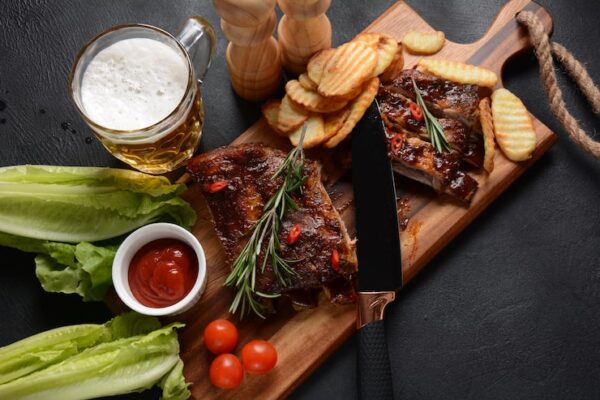
Buffalo and hot wings beg for something that can fight back without adding more fire. A classic American pale ale works wonders here. Its citrusy hop character plays nicely with the vinegar tang in buffalo sauce, while the moderate maltiness gives your tongue a soft landing after each bite. If you want something cooler, a crisp pilsner is a solid backup — the dry finish wipes the capsaicin burn right off your palate. Avoid anything too hoppy or high in alcohol, because bitter hops and heat stack painfully on top of each other.
Garlic parmesan or lemon pepper wings lean savory rather than spicy, so reach for a Belgian witbier or a hefeweizen. Those wheat beers carry coriander, orange peel, and soft banana notes that flatter herby, cheesy coatings beautifully. The cloudy texture also mirrors the creaminess of parm-based sauces.
Sweet and sticky wings — think honey garlic, Korean gochujang glaze, or teriyaki-style — love a beer with some caramel backbone. A brown ale or an amber lager provides just enough toasted sweetness to mirror the glaze without making the whole pairing feel like dessert. Bonus points if you can find a dunkel or Vienna lager for a cleaner finish.
Smoky barbecue wings want smoky friends. A porter, a rauchbier (if you can find one), or even a dry stout works remarkably well. The roasted grains echo the char and the bark, turning the whole plate into a campfire situation in the best possible way.
Calamari: Light, Crispy, and a Little Picky
Fried calamari is deceptively delicate. The squid itself is tender and mild, but the batter is where crunch and salt live, and that’s where a pour can really shine. The enemies of calamari pairing are heavy, sweet, or roasty beers — they overwhelm the seafood. What you want is lift.
A German pilsner is almost always the right call. Its crackery malt, clean bitterness, and sharp carbonation cleanse the oil from the fryer and let the squid’s mild sweetness sneak through. If you’re squeezing lemon onto your calamari (and you should be), pilsner’s herbal hop character rides that citrus note perfectly.
For something a little more playful, try a Belgian saison. The peppery dryness of a classic saison brings out the seasoning in the batter, and the farmhouse yeast adds a hint of rustic complexity without stepping on the squid. Saisons with a touch of lemon or grapefruit in the nose are especially lovely here.
If your calamari comes with a spicy marinara or a chili aioli, consider a kölsch — a hybrid German style that splits the difference between lager crispness and ale softness. It’s gentle enough for the seafood, structured enough for the heat.
One to avoid: heavy IPAs. The resiny bitterness tends to turn fried seafood metallic, and nobody wants that.
Crab Cakes: Rich, Sweet, and Worthy of a Special Pour
Crab cakes sit in a different universe from wings and calamari. They’re rich, delicately sweet, often bound with mayo and mustard, and loaded with lump meat that deserves respect. This is a dish where you want to frame the flavor, not fight it.
A Belgian blonde ale is a personal favorite for crab cakes. The light fruitiness — think pear, a whisper of honey — harmonizes with the sweetness of the crab, and the dry finish keeps the richness from piling up. A witbier works too, especially if the cakes are served with a citrus-forward remoulade. The orange peel and coriander in the beer build a bridge straight to the sauce.
If you prefer lagers, a Munich helles delivers a soft, bready malt character that makes crab cakes taste almost creamier. It’s a quiet pairing, but quiet in the way candlelight is quiet — flattering to everything around it.
For something more adventurous, a dry-hopped session IPA (emphasis on session — nothing over 5% ABV) with tropical hop notes like passionfruit or mango creates a bright, modern pairing that plays off the crab’s sweetness without overwhelming it. Just skip anything bitter or piney; you want fruit-forward, not forest floor.
Avoid stouts and porters with crab cakes. The roastiness flattens the seafood and makes the pairing taste muddled.
A Few Pairing Habits Worth Keeping
Serve your beer colder than you think for fried foods — around 38 to 42 degrees Fahrenheit — because cold carbonation cuts grease better than lukewarm carbonation. For richer dishes like crab cakes, nudge the temperature up a few degrees so the beer’s nuance has room to breathe. And always pour into a glass. Drinking a great beer out of the bottle is fine, but drinking it out of a glass lets the aroma do its job, and aroma is half the pairing.
Finally, trust your own tongue. These suggestions are starting points, not rules carved into a bar top. If your favorite hazy IPA happens to taste phenomenal with honey garlic wings on a Tuesday, that’s the right pairing for you. The best beer and food combinations are the ones you reach for again.
So the next time you’re staring at a sticky menu trying to decide what to drink, remember the logic: match intensity, choose harmony or contrast, and let the carbonation do the cleanup. A little thought turns a basket of bites and a cold pint into something worth slowing down for.
About Tartan of Redlands
Tartan of Redlands has been a fixture of its community since opening its doors on April 15, 1964, serving up hearty steakhouse fare in an atmosphere that feels more like a neighborhood gathering than a night out. The spot was launched by three brothers — Velmer, Al, and Art Ctoteau — who set out to build a place defined by good food, warm hospitality, and genuine care for every guest who walked in.
Ownership has passed through several hands over the decades, but the soul of the restaurant has never wavered. Larry Westin joined the Ctoteaus in running the day-to-day operations and became a central figure at Tartan for many years. Following his passing in 2003, his son Larry Westin Jr. kept the family torch lit until 2015, when Jeff and Lisa Salamon stepped in as the current stewards of the business.
Jeff, a Marine Corps veteran with Boston roots, carries the restaurant forward with an emphasis on loyalty, tradition, and the kind of community-minded spirit that has defined the place since day one.
The kitchen leans into the steakhouse classics regulars have come to count on — the much-loved Saturday prime rib, a selection of premium steaks, and the signature Redlands Tartan Burger. A full bar rounds out the experience and gives the dining room its easy, convivial rhythm, which is where a thoughtful beer-and-bite pairing can turn an ordinary evening into a memorable one.
Locals sometimes call Tartan the “Cheers of Redlands,” and the nickname fits. Between the laid-back mood, the attentive staff, the regulars who treat the place like a second living room, and the option of indoor or outdoor seating, Tartan has earned its reputation as a year-round favorite for neighbors and first-time visitors alike.